
Project Programs from Czechoslovak Television
Project name: Programs from Czechoslvak Television
Names of the involved archivists: Rudolf Jan Suchý, Lukáš Macura, Karel Ondráček
Year of project completion: 2025
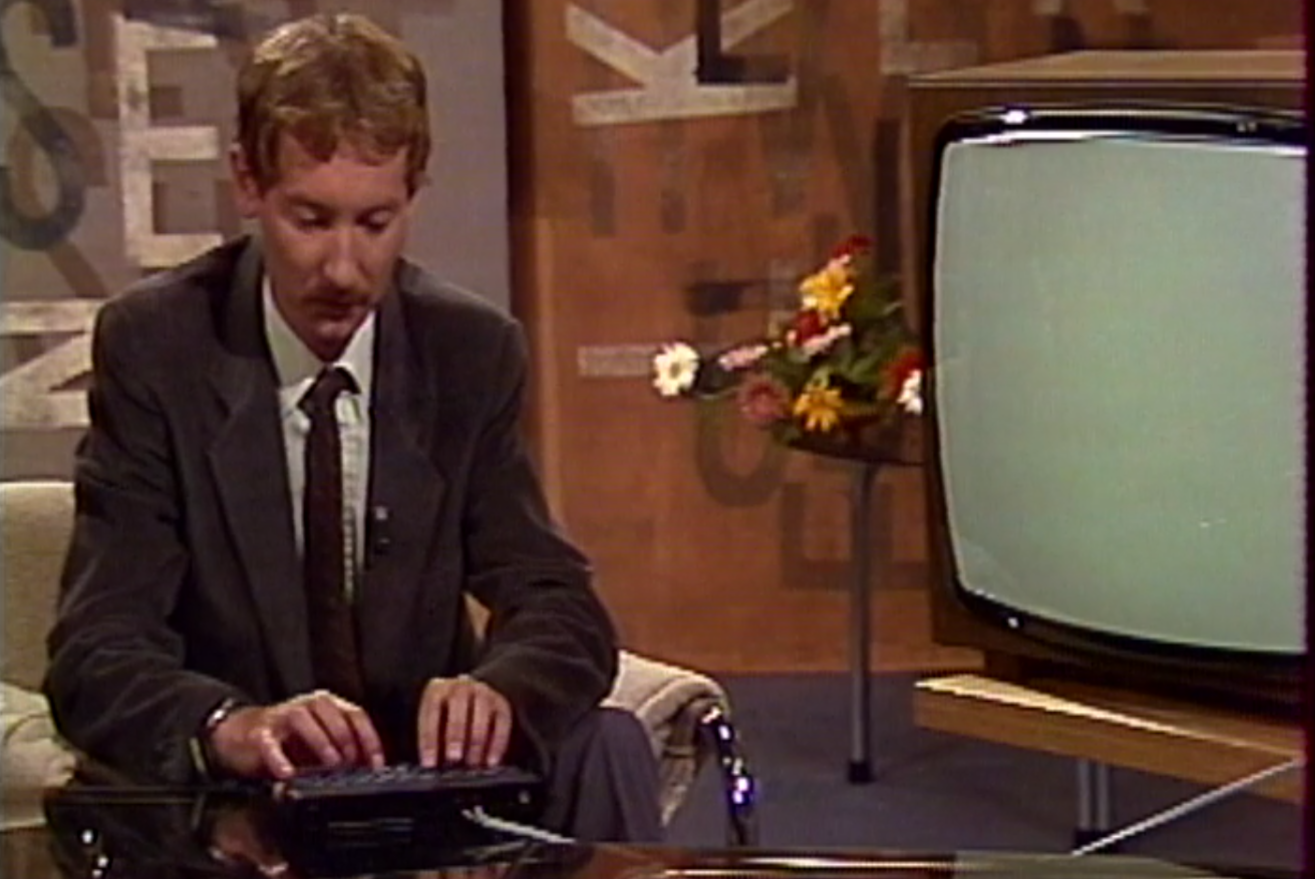 Kurz rychlého čtení, episode 7 (Jan Flak, Československá televize 1986)
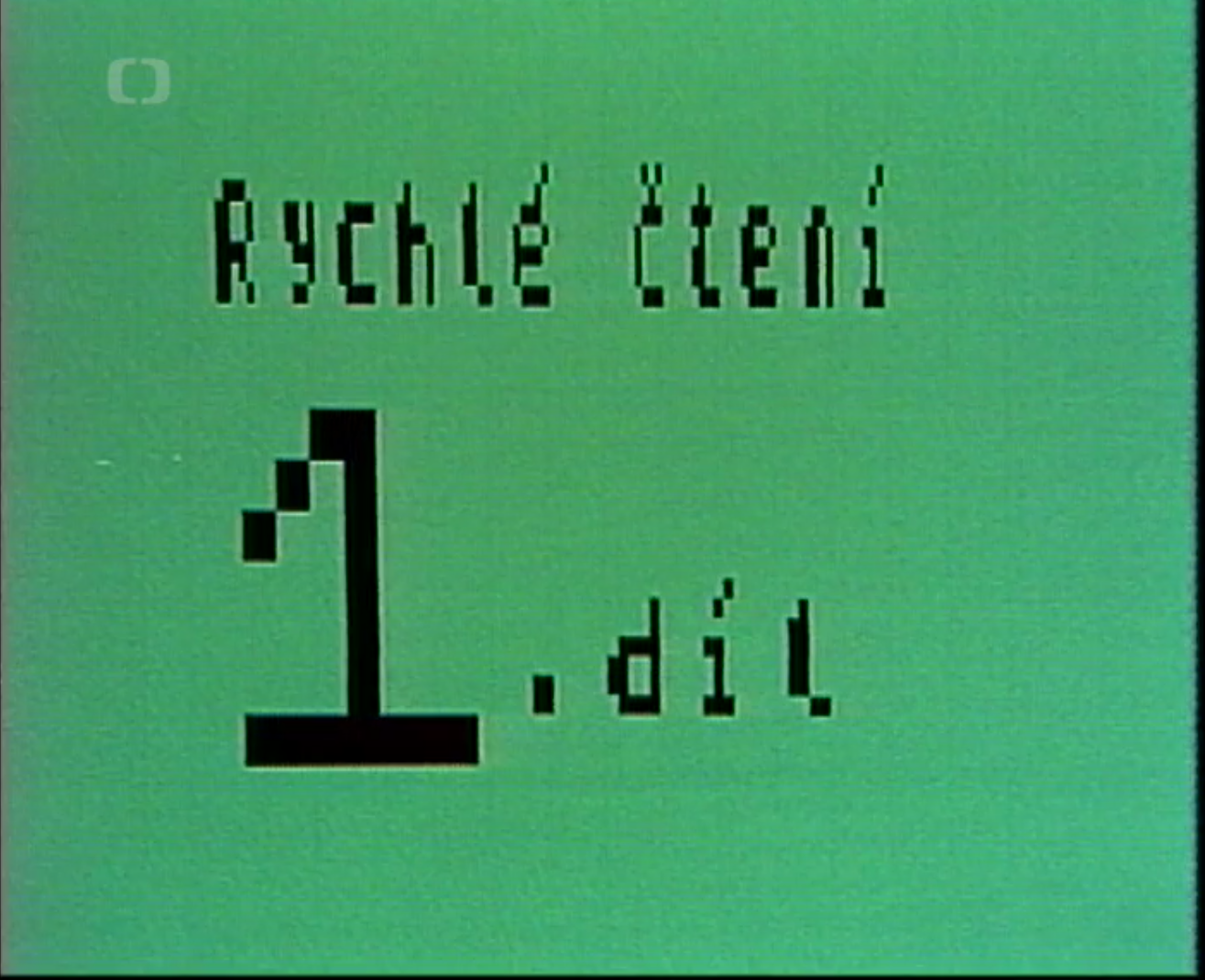
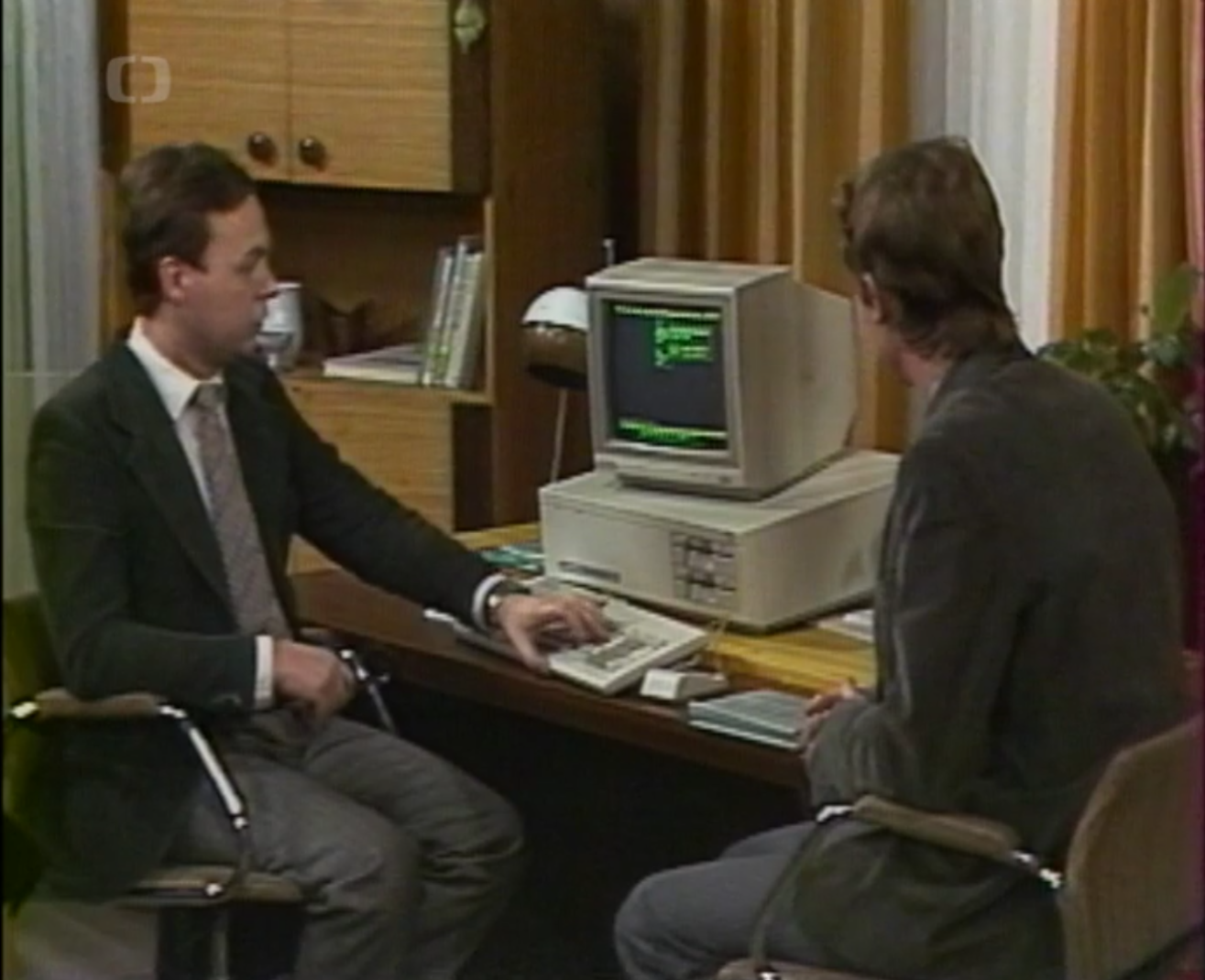
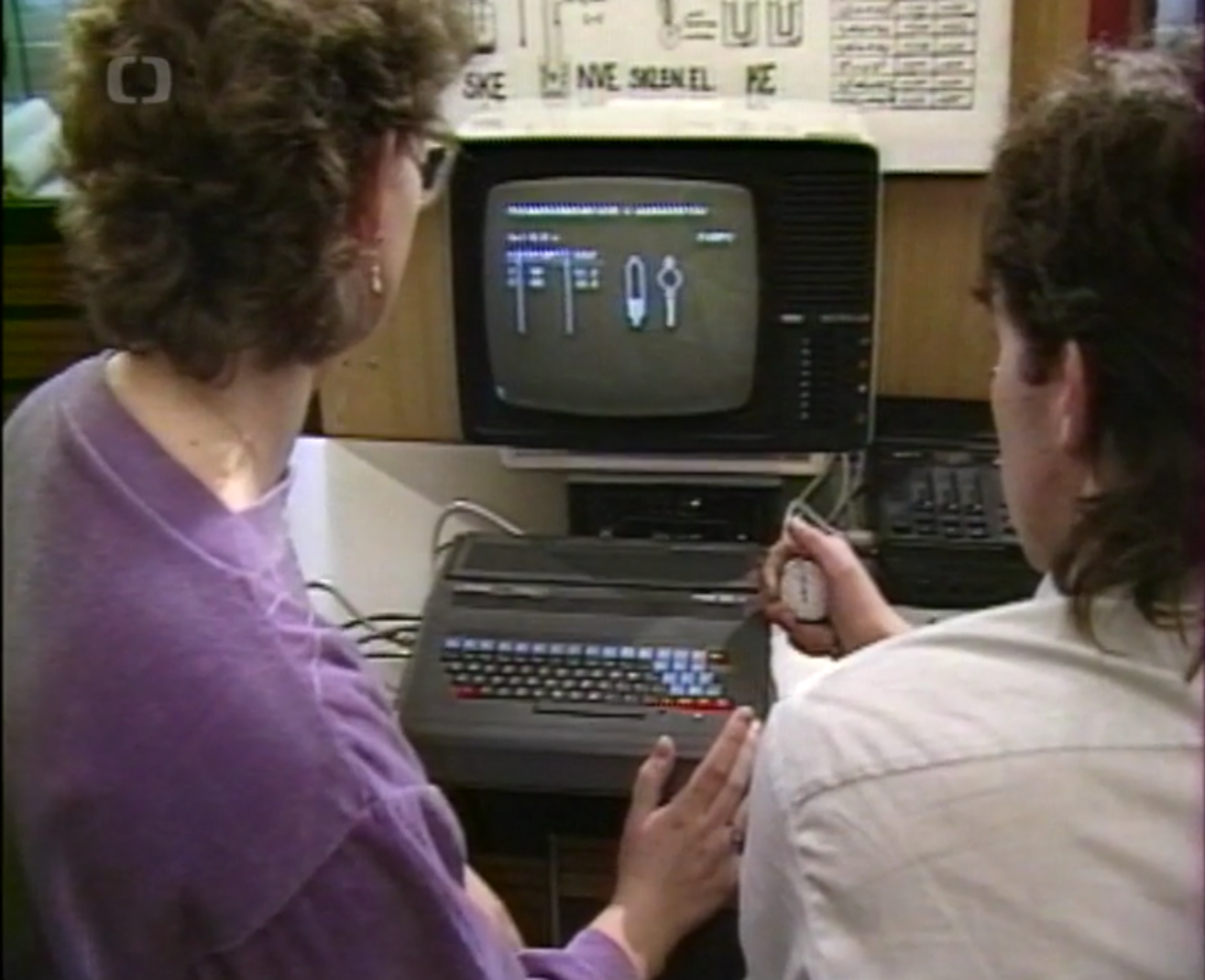
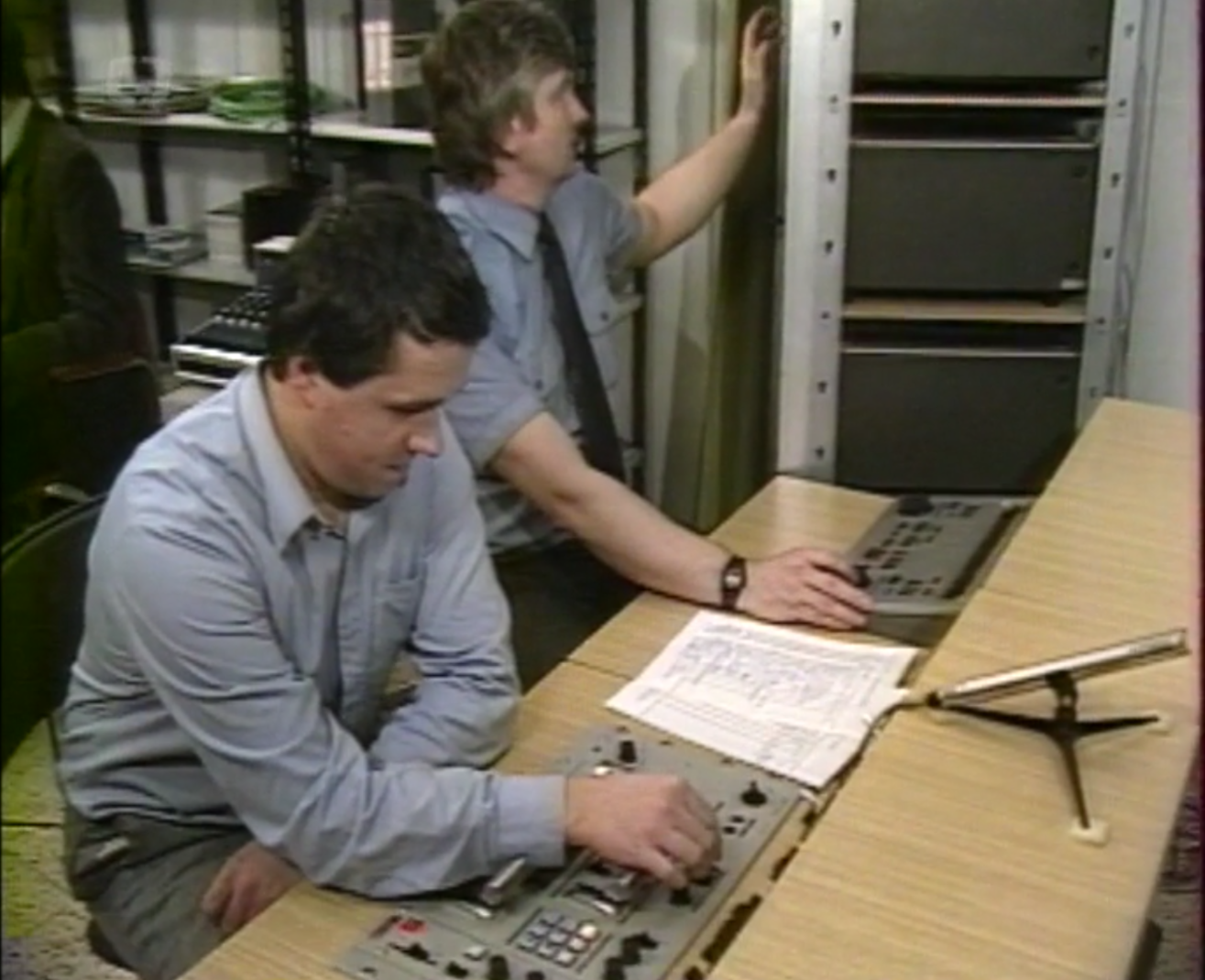
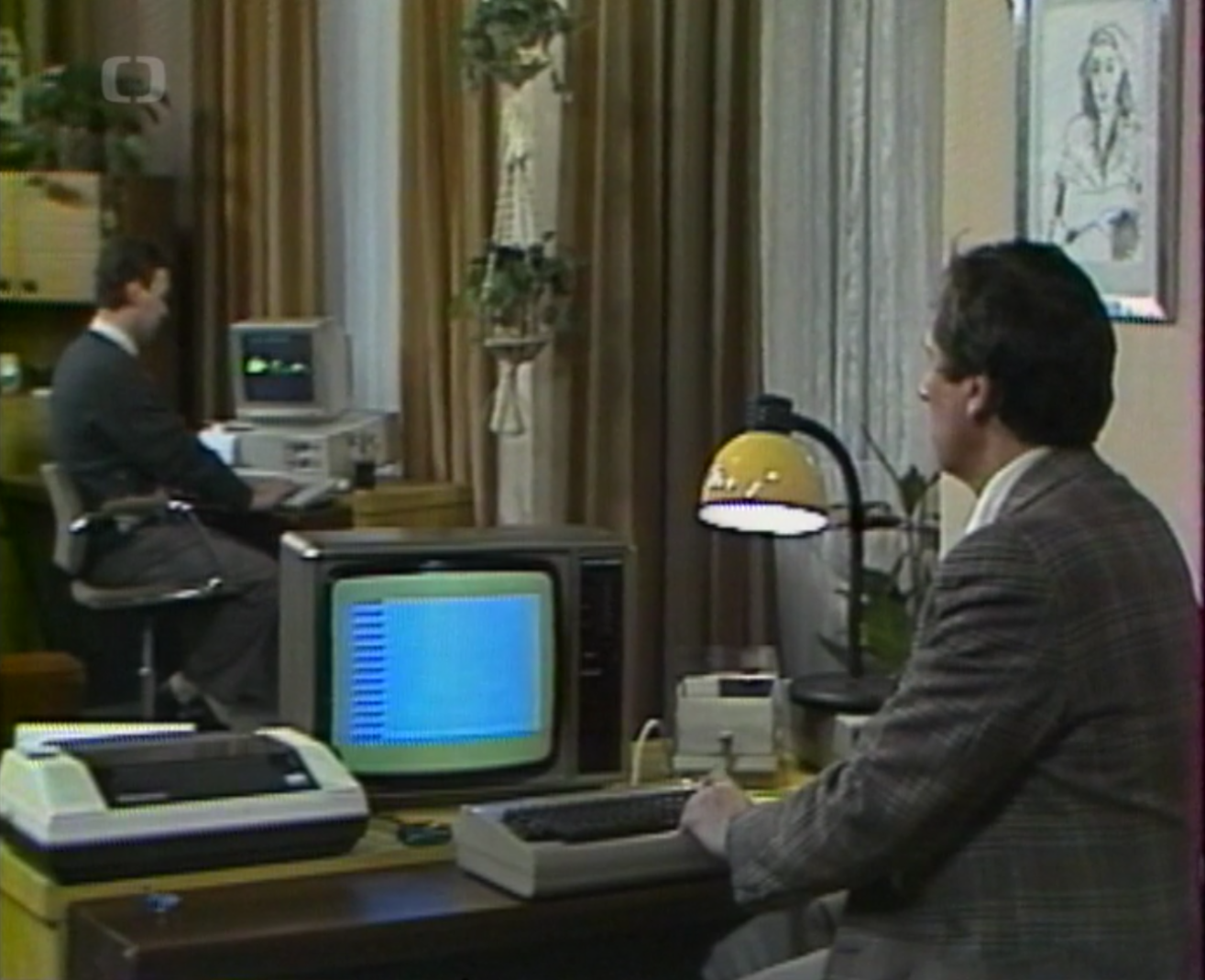
At the end of the 1980s, Czechoslovak Television produced two seemingly unrelated programs – Kurz rychlého čtení (Speed Reading Course) in 1986 and Počítačová dilemata (Computer Dilemmas) in 1988. Kurz rychlého čtení was a ten-part educational series designed to teach viewers speed-reading techniques. Počítačová dilemata also had ten episodes, and it was a popular science program aimed at introducing unfamiliar audiences to the personal computers available at the time, their functions, and potential uses.
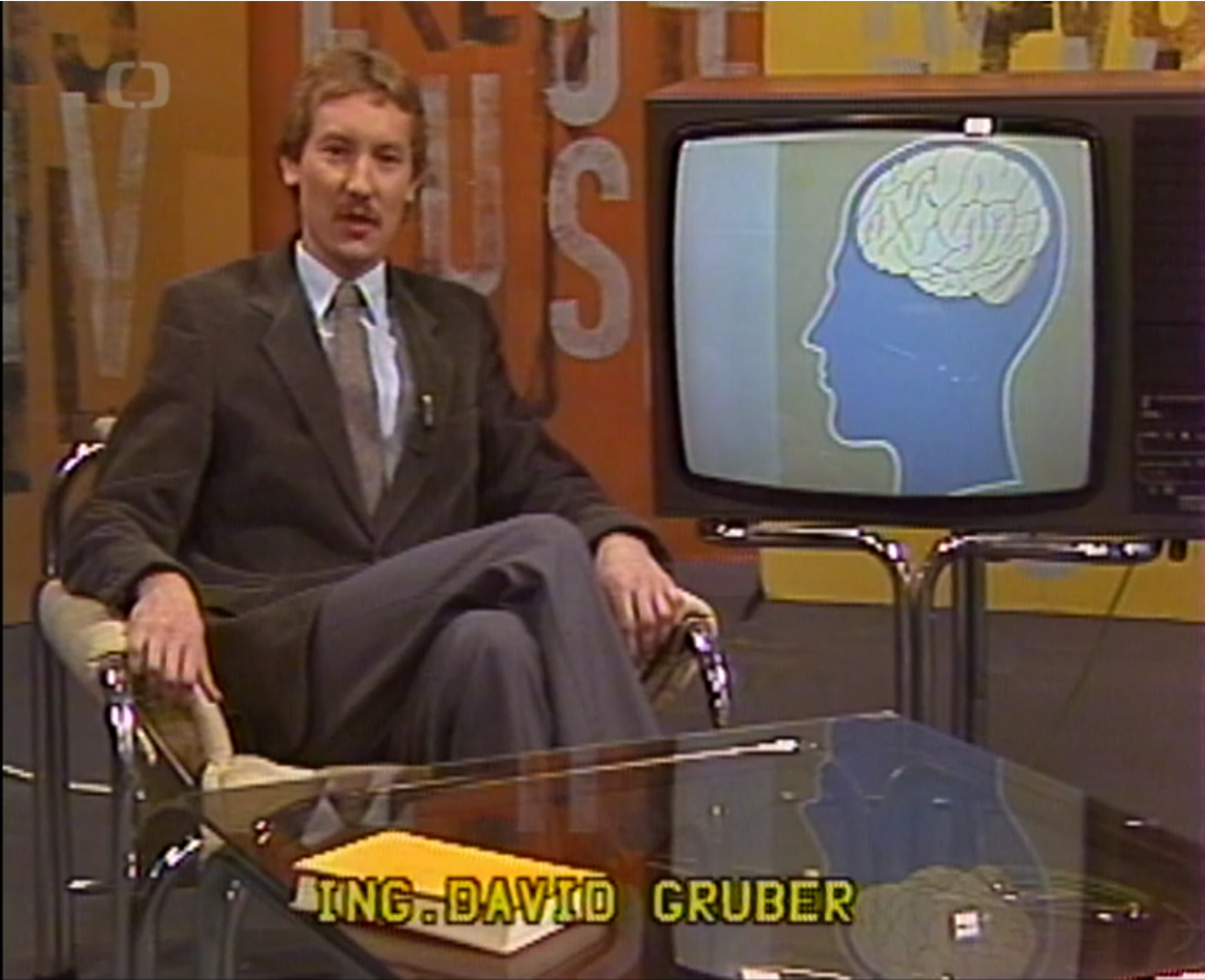
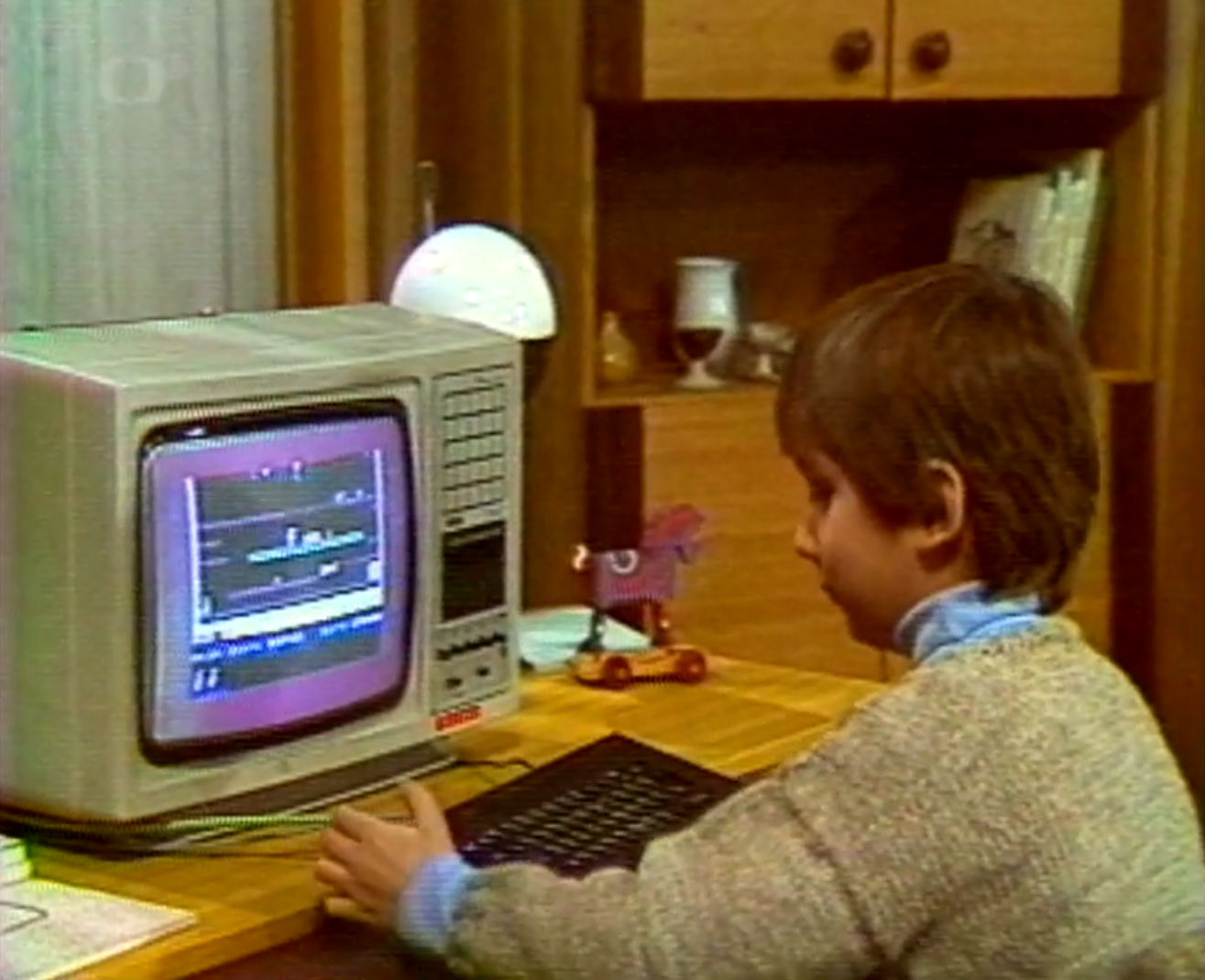
Despite the different topics, these two shows had a lot in common. Both Kurz rychlého čtení and Počítačová dilemata were produced in the Ostrava studios of ČST, and nearly the same production team worked on both. Both series were directed by Jan Flak, and the concept, script, and hosting were done by Ing. David Gruber. There were also stylistic similarities between the two shows – for example, both made extensive use of computer graphics and text. However, the most interesting aspect is that during the closing credits of both Kurz rychlého čtení and Počítačová dilemata, programs for the ZX Spectrum were broadcasted.
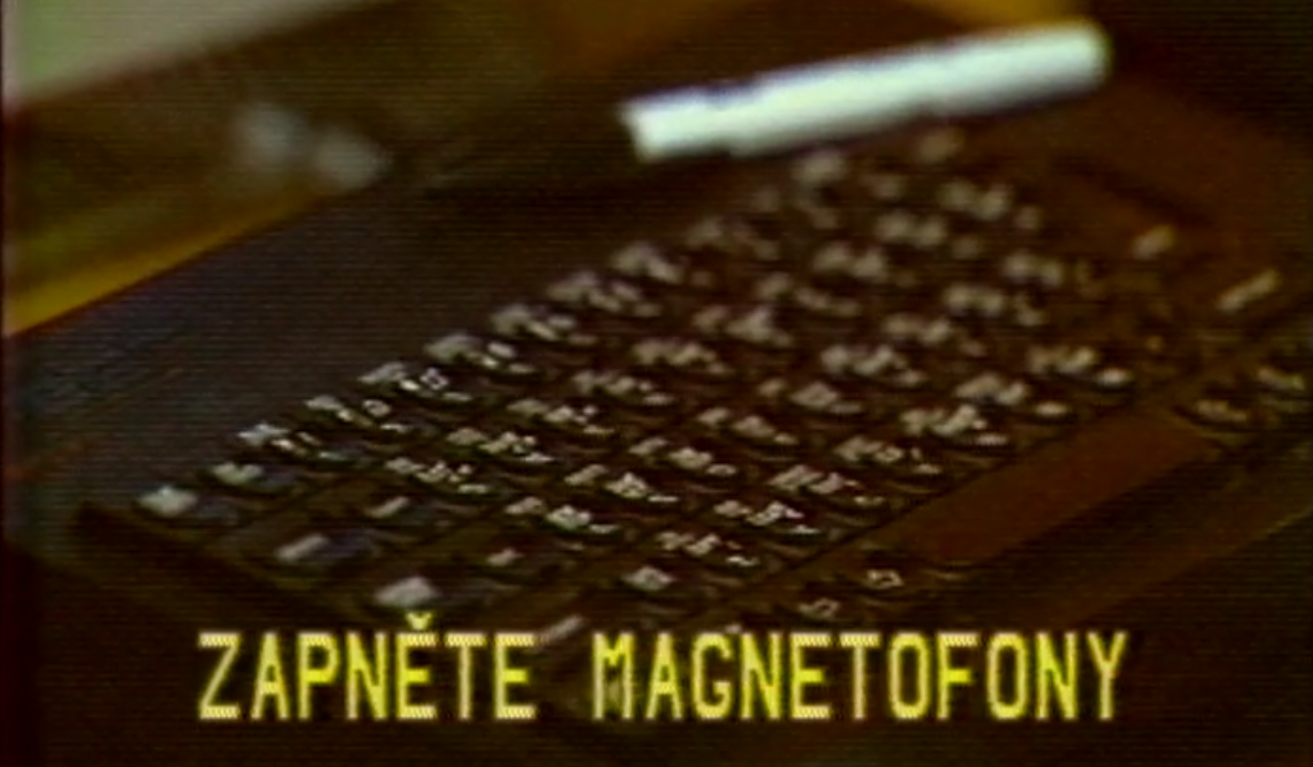 Počítačová dilemata, episode 1 (Jan Flak, Československá televize 1988)
In 2023, the Czechoslovak game archive purchased all available copies of the episodes of Kurz rychlého čtení and Počítačová dilemata from Czech Television and in 2025 converted and published all ZX Spectrum programs from the endings of these episodes.
Programs from Kurzu rychlého čtení
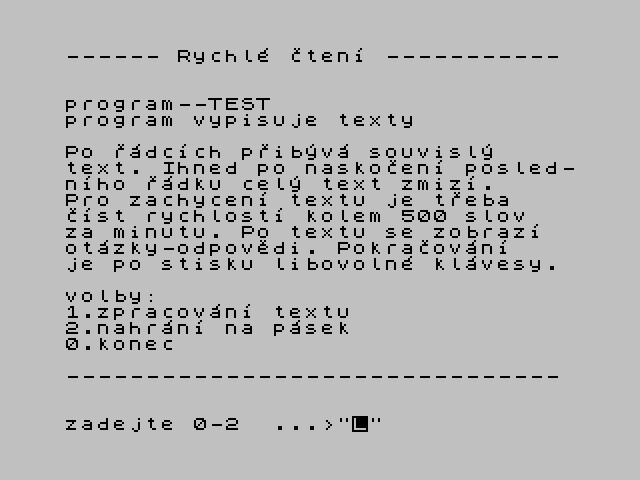
The programs from the endings of the episodes of Kurz rychlého čtení were small game-like exercises designed to help viewers practice speed-reading techniques. Unfortunately, episodes 6 and 9 have not been preserved. According to David Gruber, all these games were created by Ing. Milan Buchta.
The program from episode 1 of the series generates n-tuples of numbers that briefly appear on the screen. It is up to the player to read these numbers in time.
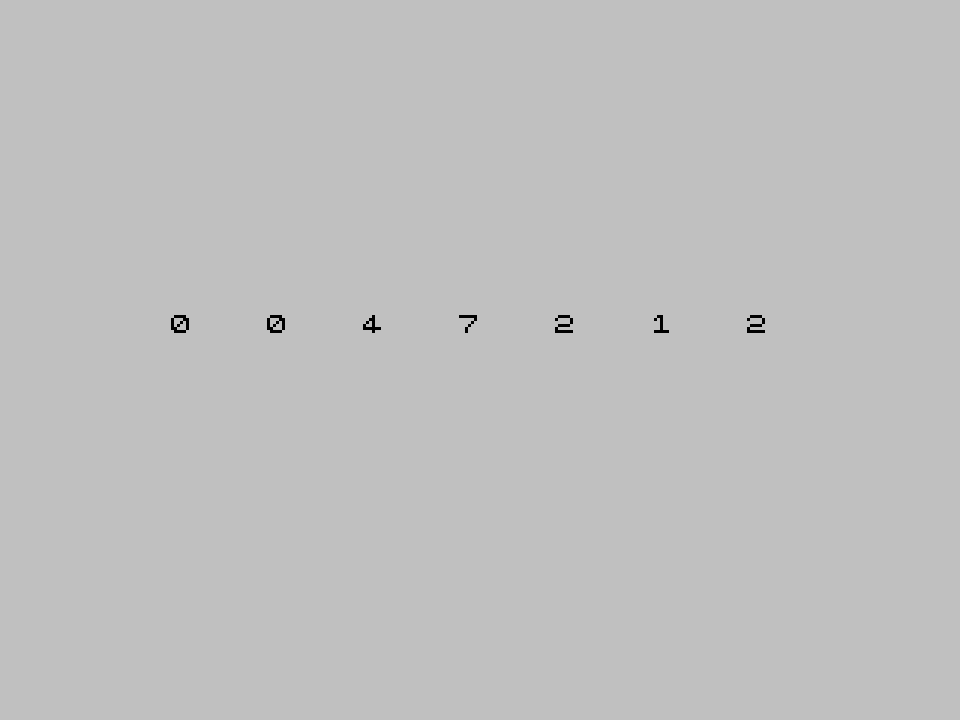
The program from episode 2 of the series generates n-tuples of characters that briefly appear on the screen. It is up to the player to read these characters in time.
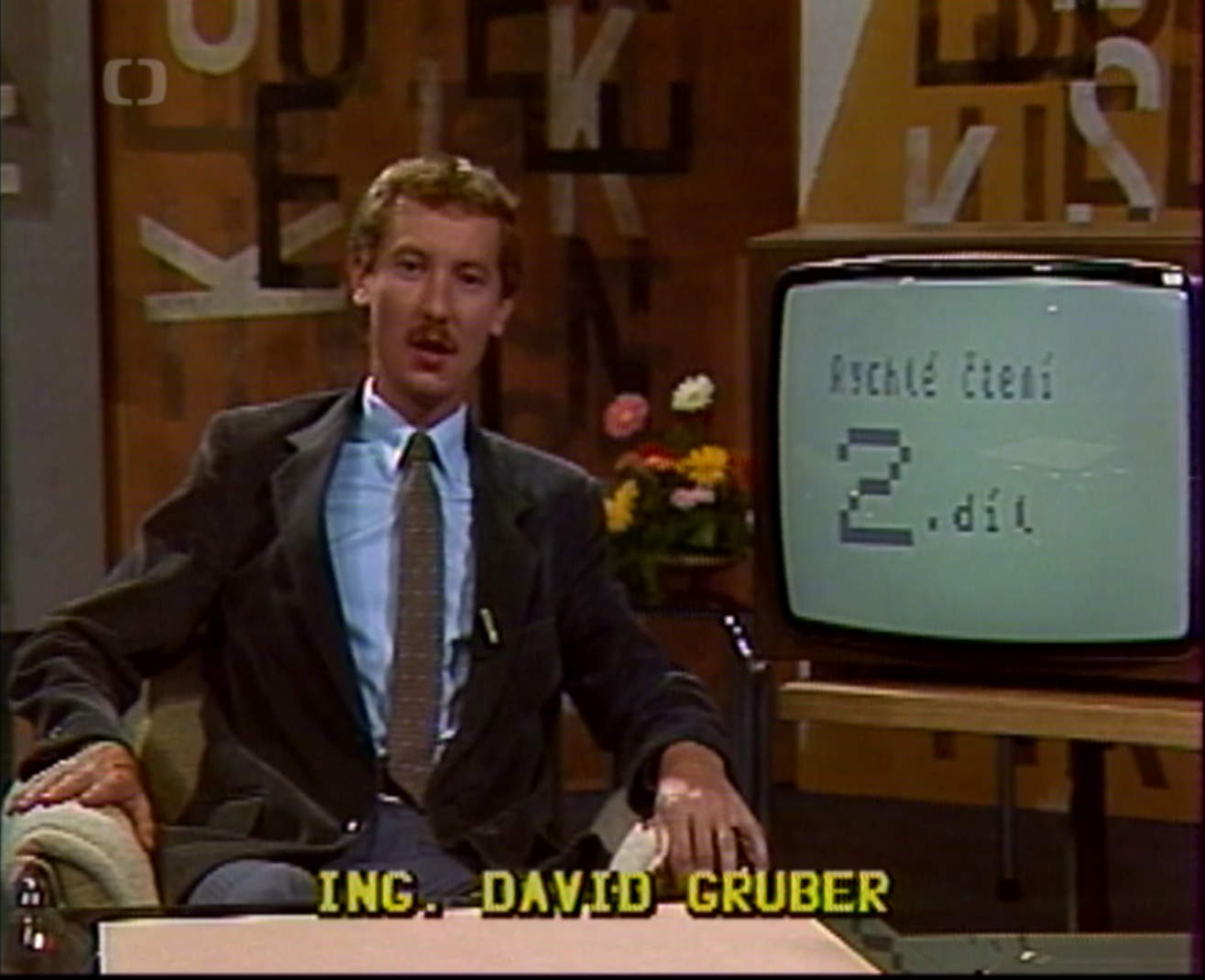
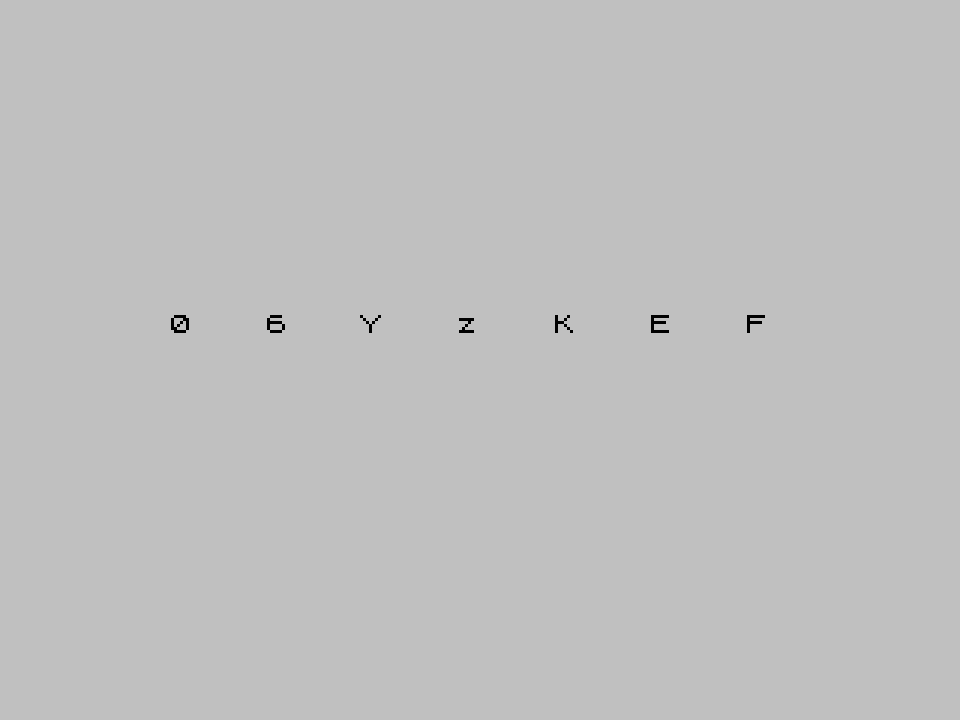
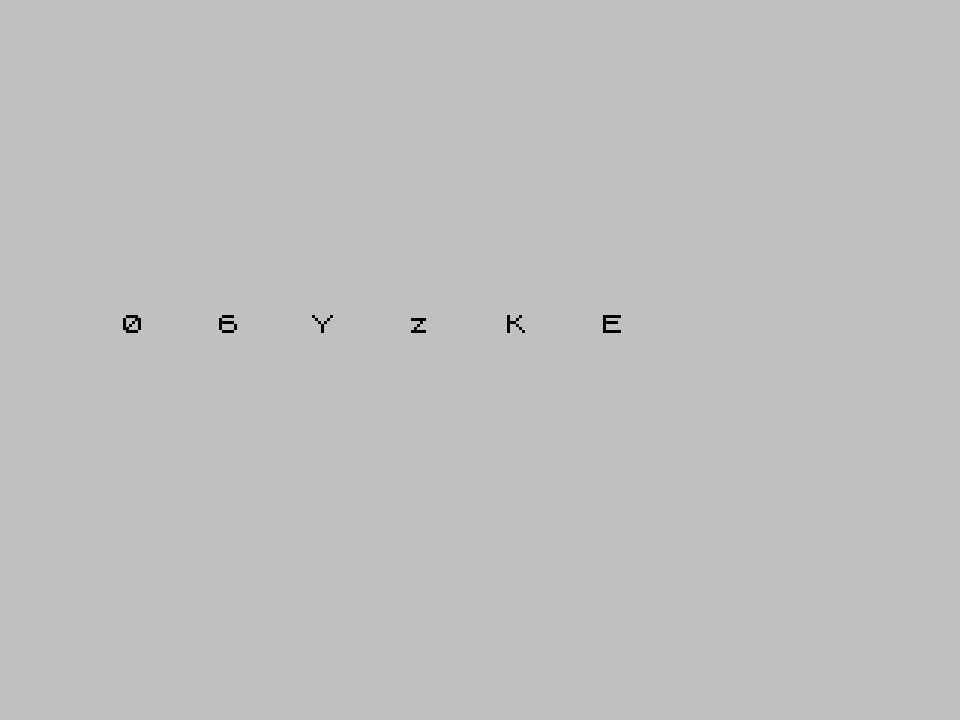
The program from episode 3 of the series generates n-tuples of characters that briefly appear on the screen. It is up to the player to read these characters in time.
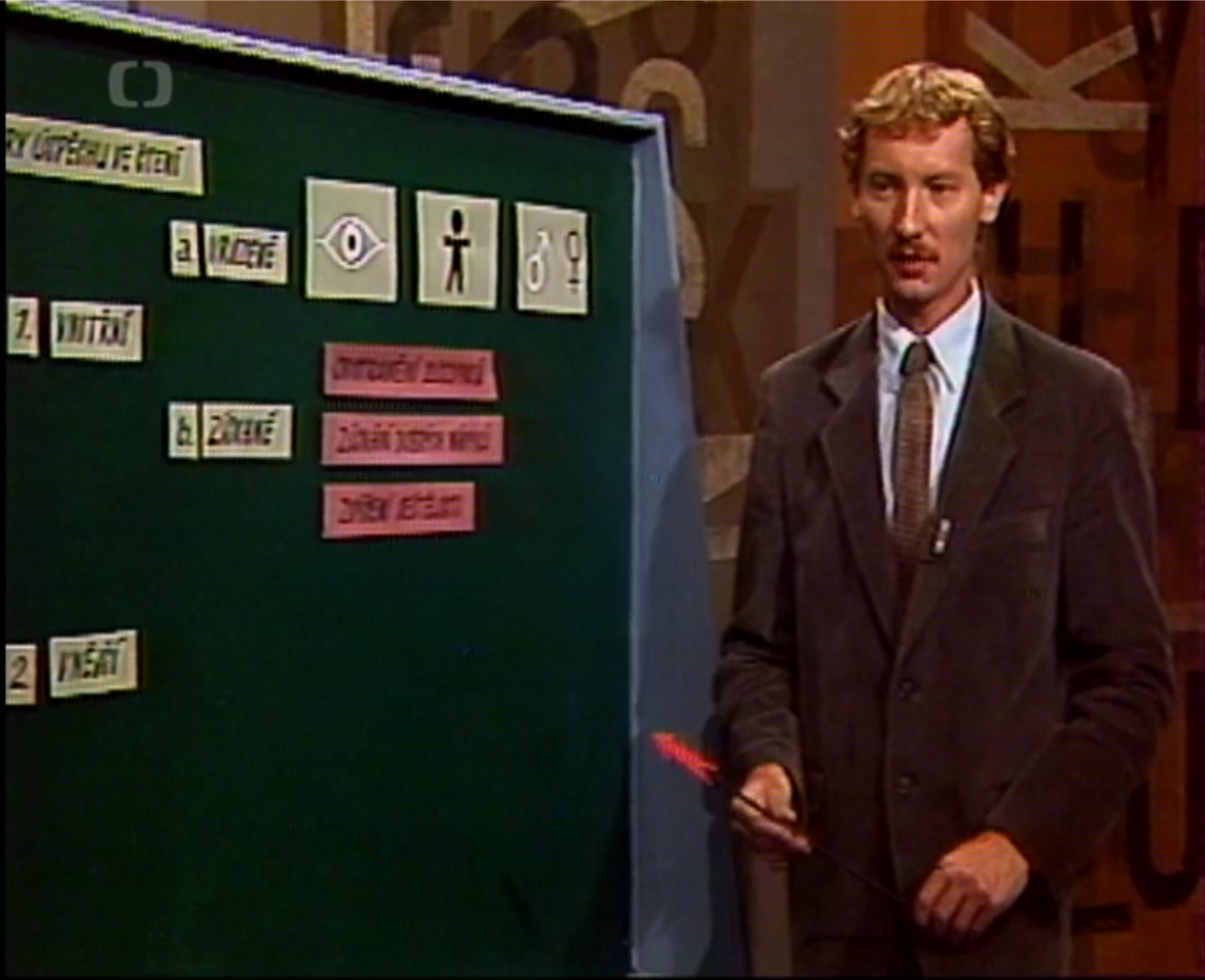
The program from episode 4 of the series displays short texts that briefly appear on the screen. It is up to the player to read these texts in time.
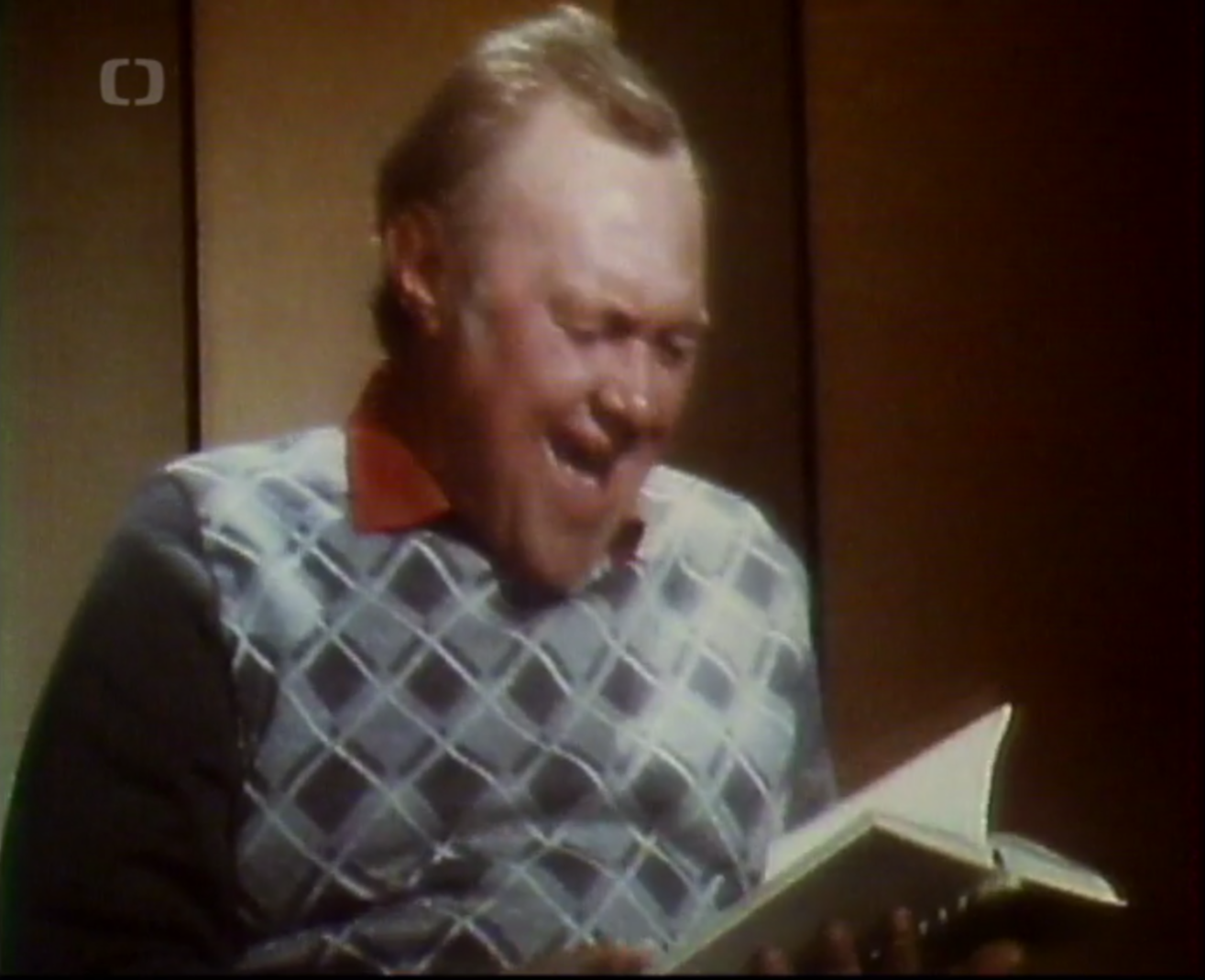
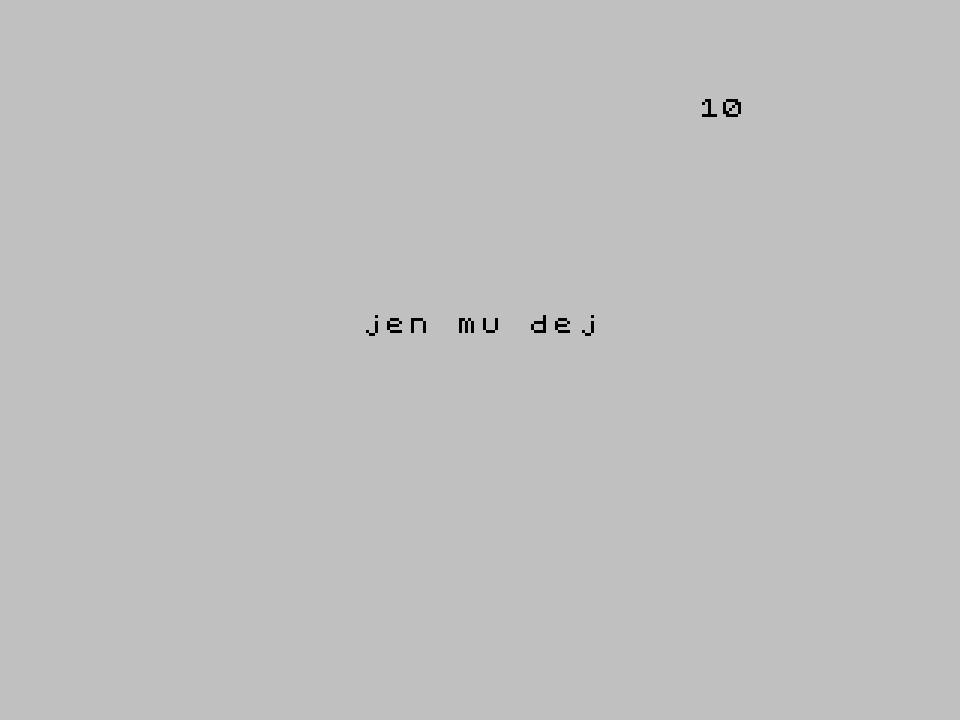
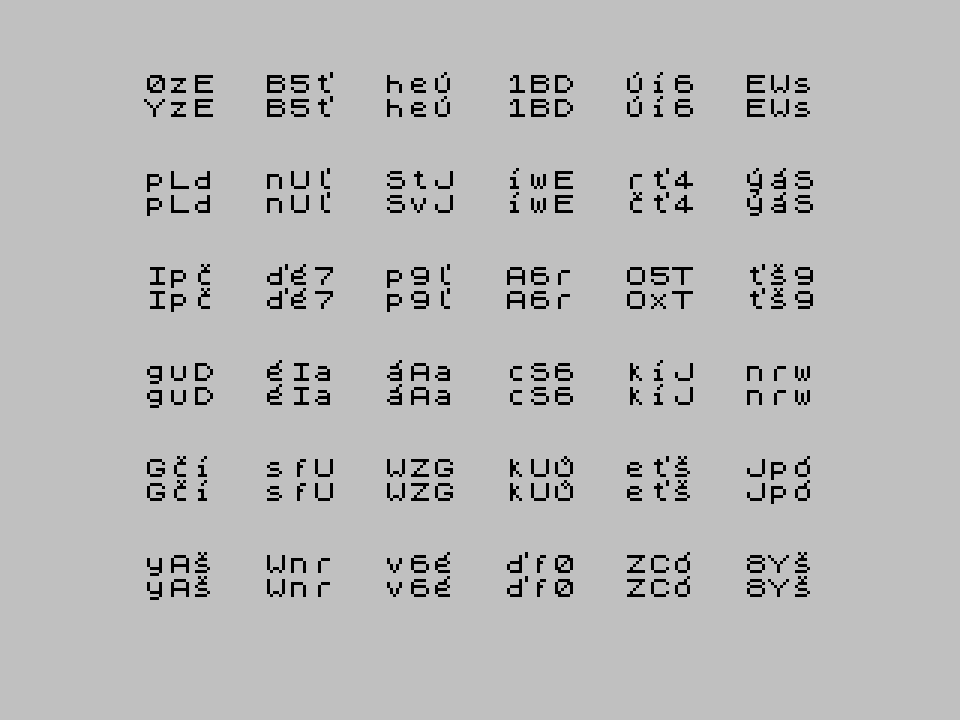
The program from episode 5 of the series generates pairs of three-character groups, in which the player must quickly find all the differences.
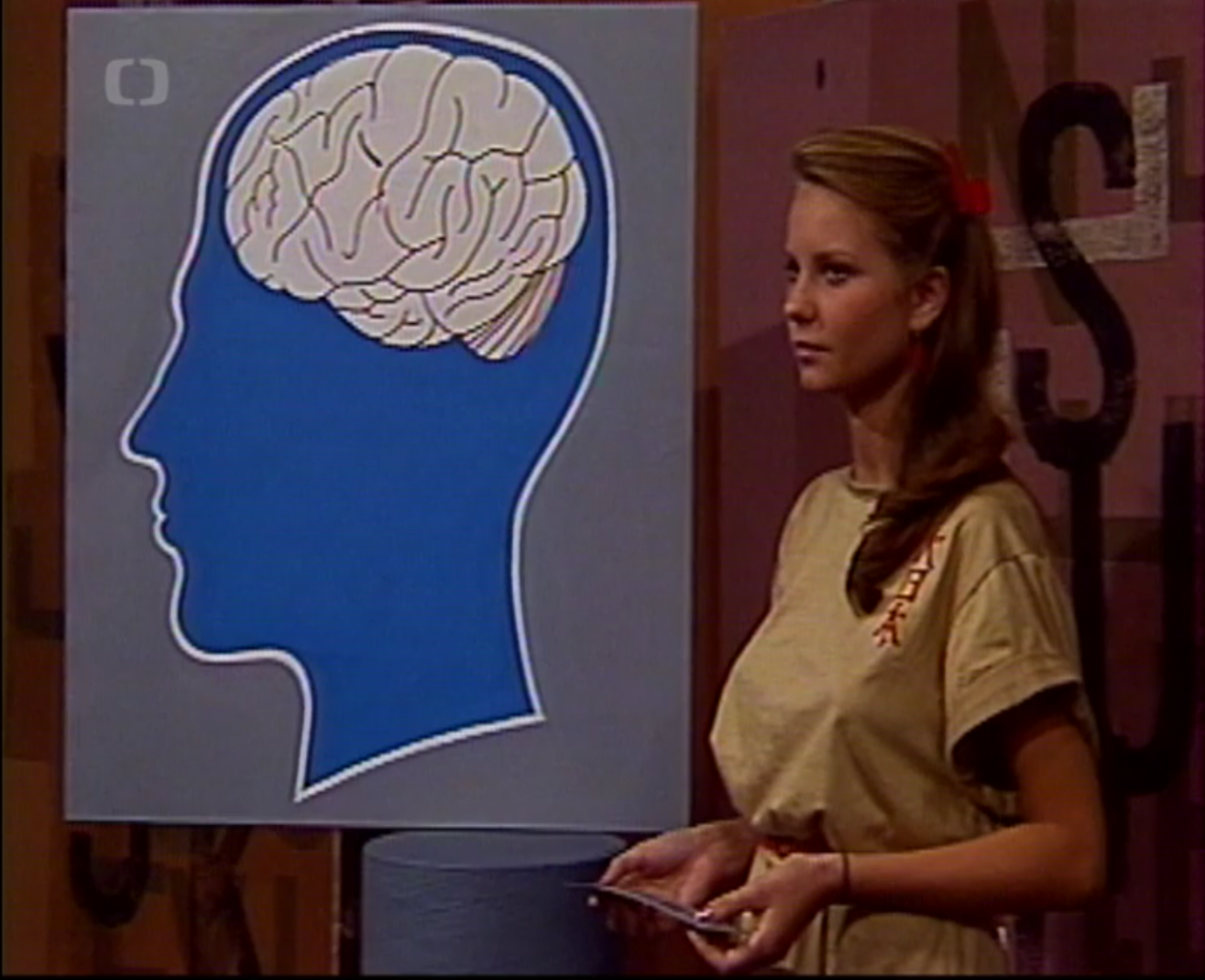
The program from episode 7 of the series displays two columns of words that the player must read as quickly as possible.
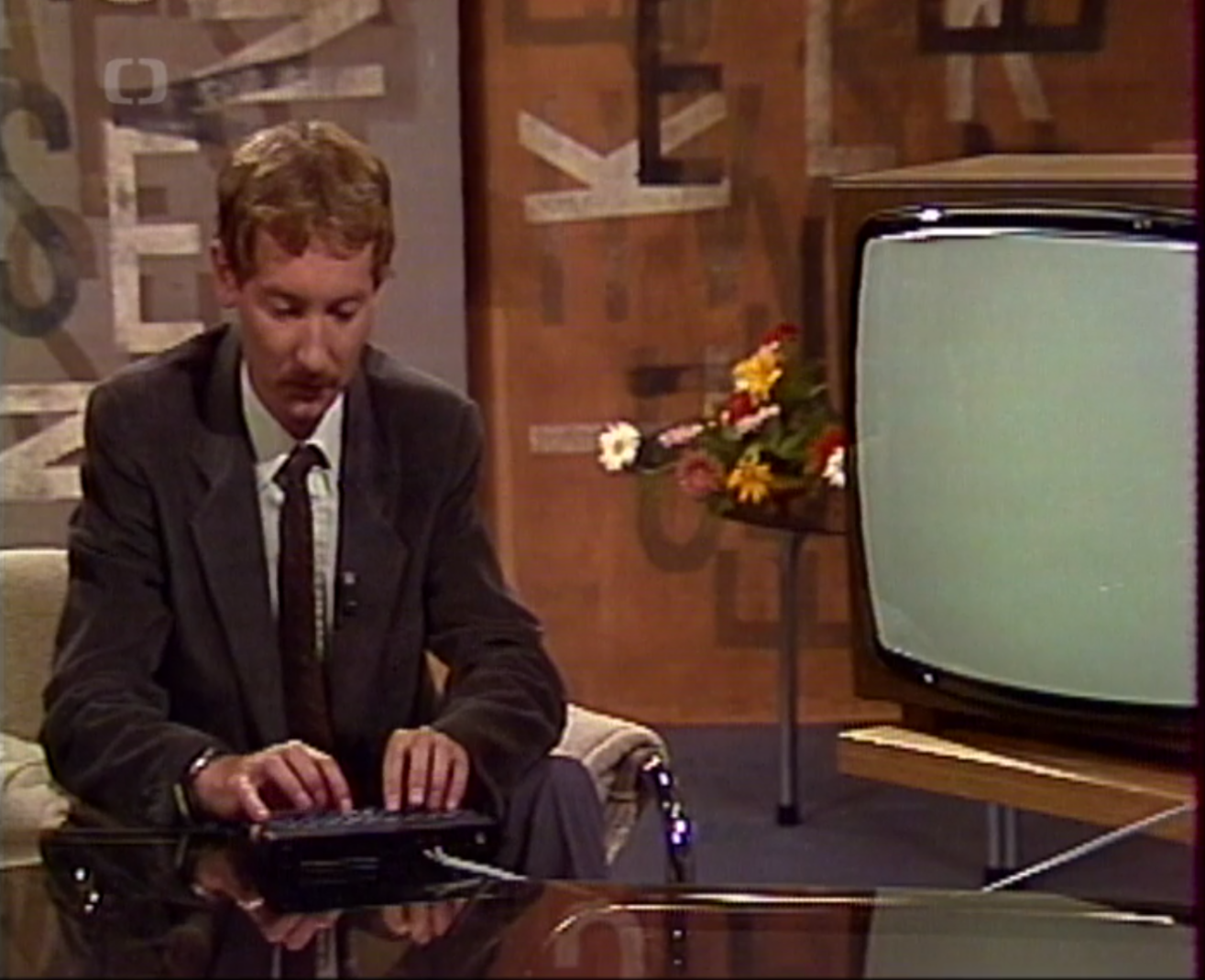
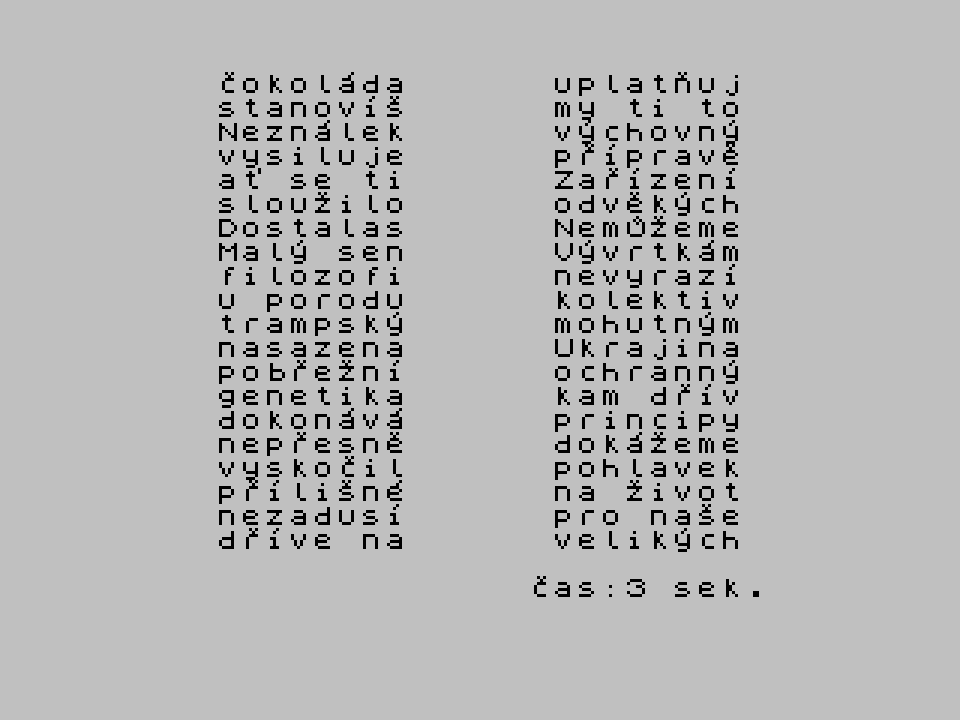
The program from episode 8 of the series trains viewers in selective reading — the player must notice all numbers in the text and remember them.
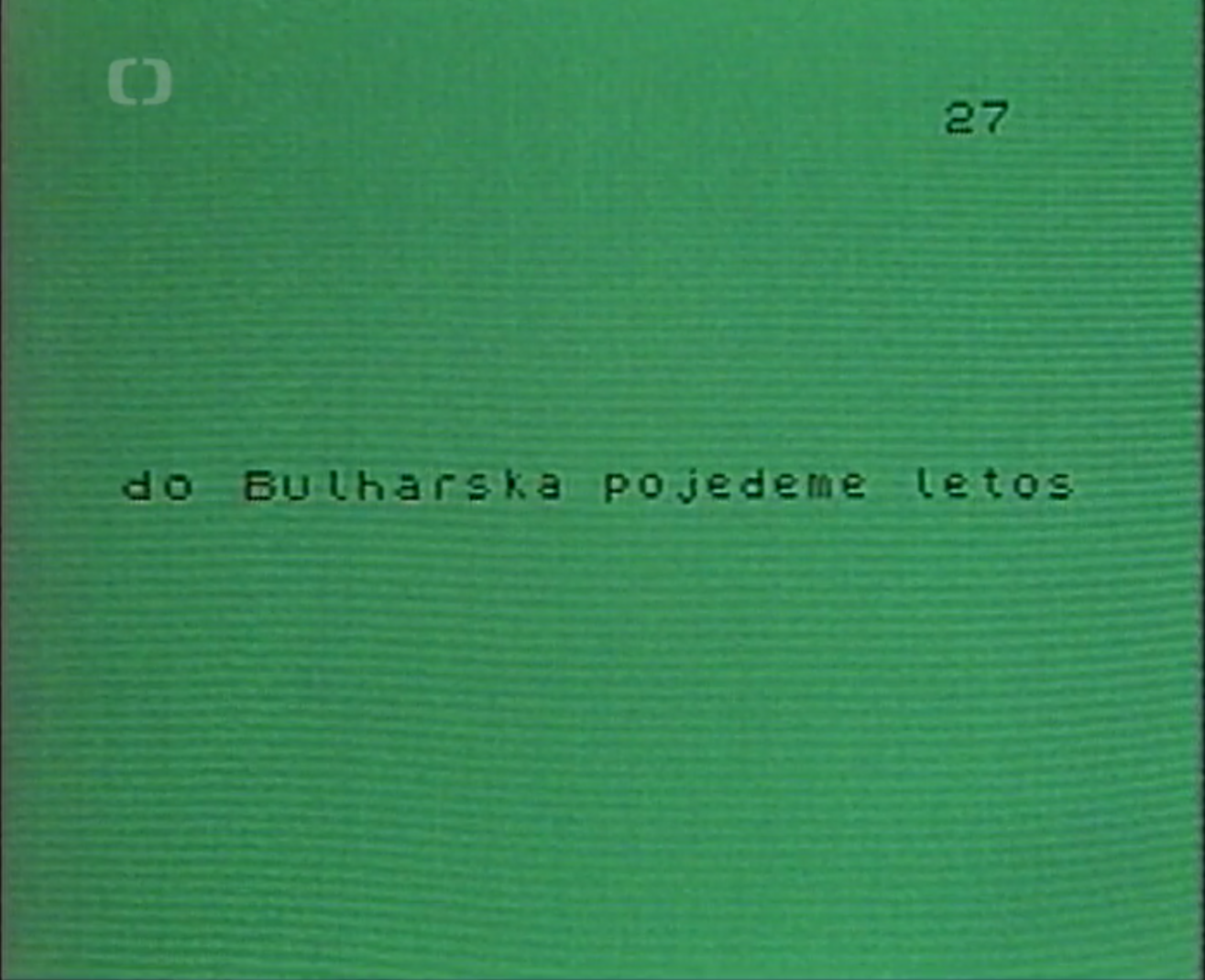
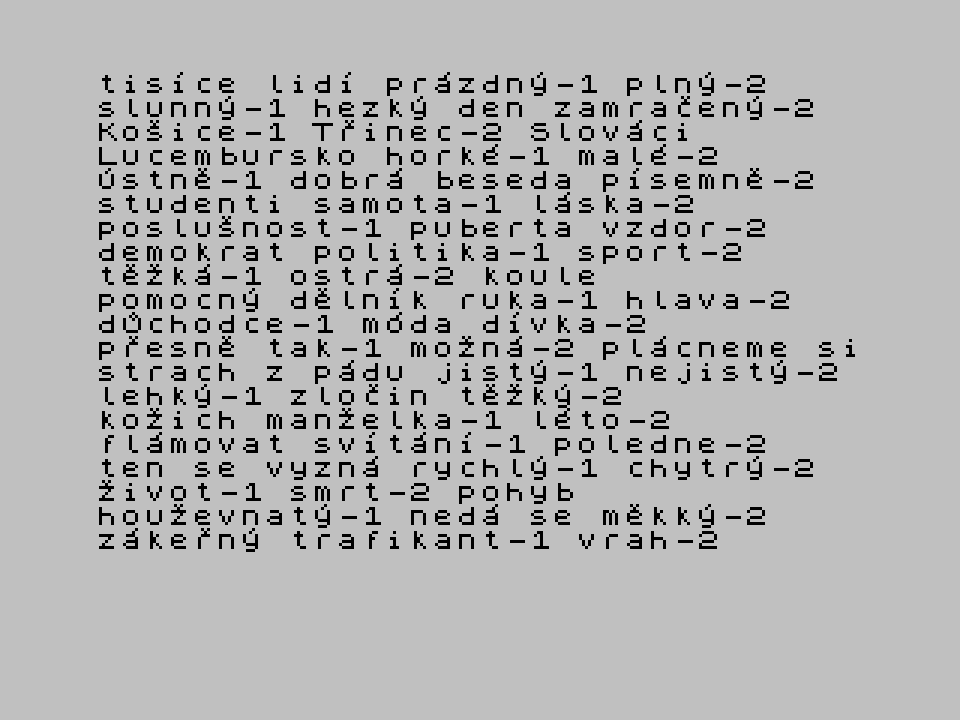
The program from last episode displays a text on the screen that the player must read within a limited time and then answer questions related to the text.
Program from Počítačová dilemata
Počítačová dilemata (Computer dilemmas) differed from Kurz rychlého čtení in that, instead of short self-executing programs being broadcast during its credits, a single large program was transmitted across ten episodes, divided into nine parts (the main part of the program was broadcast in episodes 1 and 10). This meant that to own the complete program, viewers had to catch all episodes of the show and copy all parts of the program onto a tape.
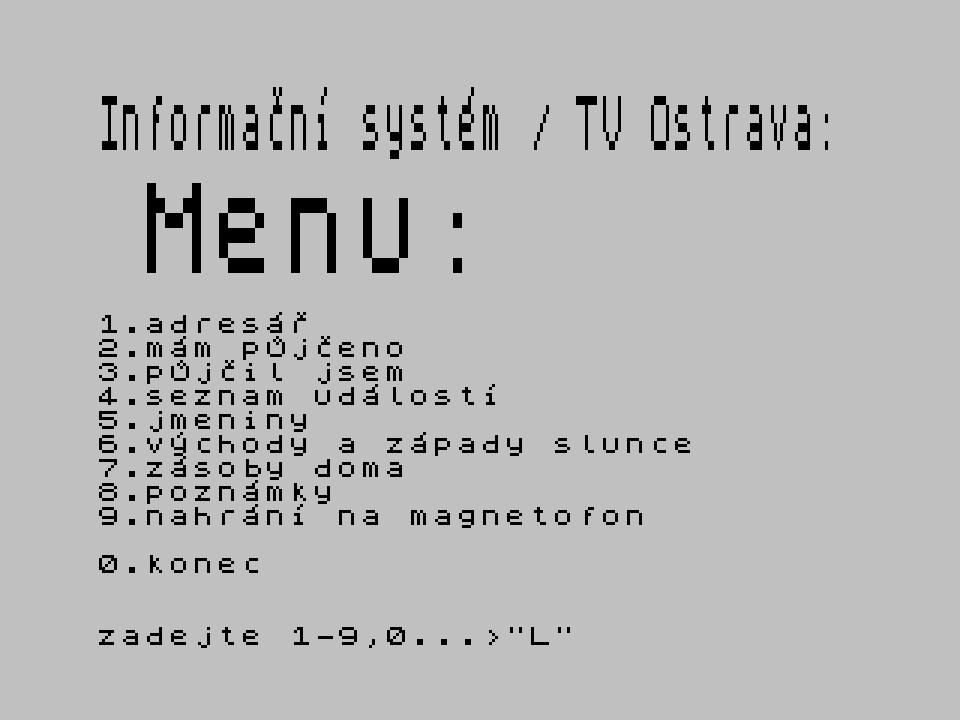
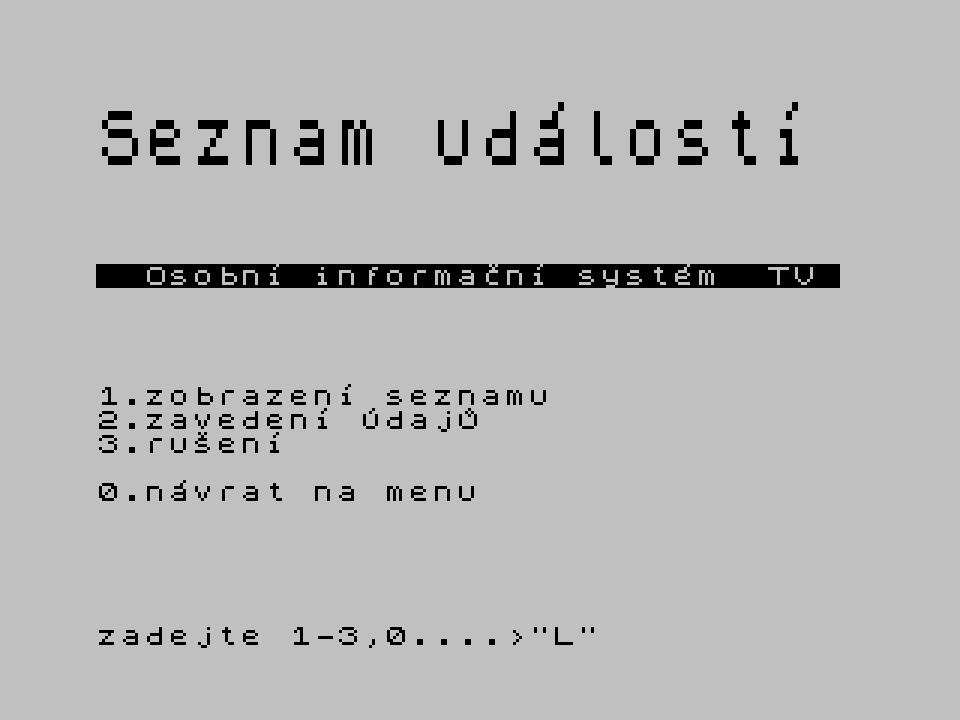
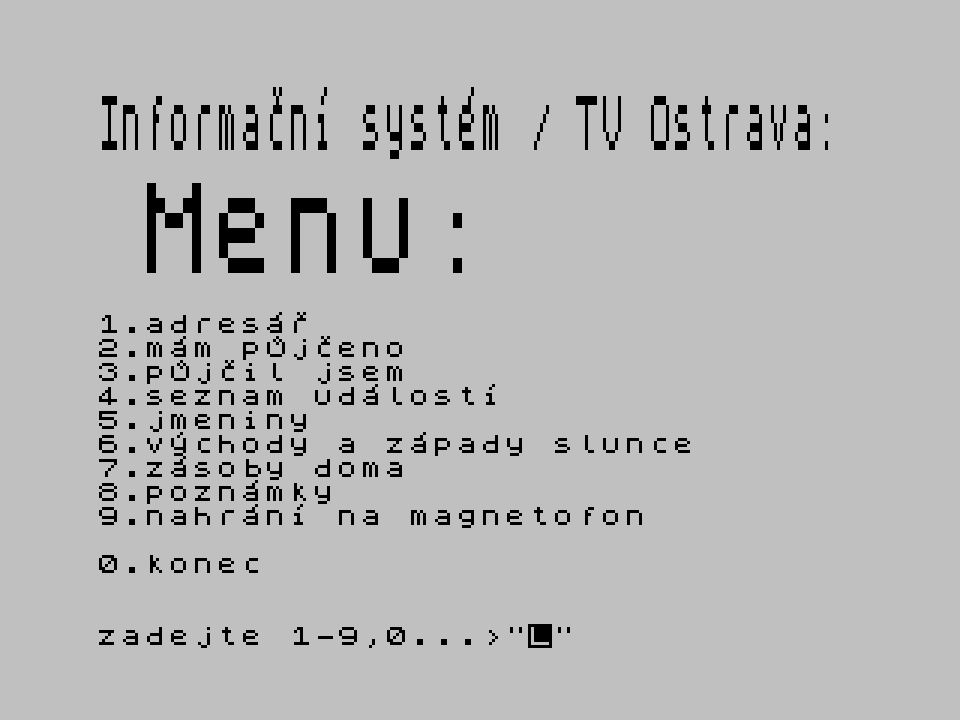
The program from Počítačová dilemata was a small personal database. It allowed users to keep personal notes, a list of contacts, borrowed items, events, or home supplies. The program also included a calendar with all holidays and, for some reason, even offered the option to calculate the sunrise time. Acording to the source code, the author of the program is Ing. Petr Foniok.
The program, after being merged using the BASIC command MERGE doesn't work due to several errors in the code. However, thanks to Lukáš Macura, we have a fixed, functional version of this program. After loading the program and returning to BASIC, restart the program using the command GOTO 10.
The program part from episode 1 serves as the foundation for the entire program — it holds everything together and also provides the main menu.
The program part from episode 2 allows users to keep a list of people, including their date of birth, address, and phone number.
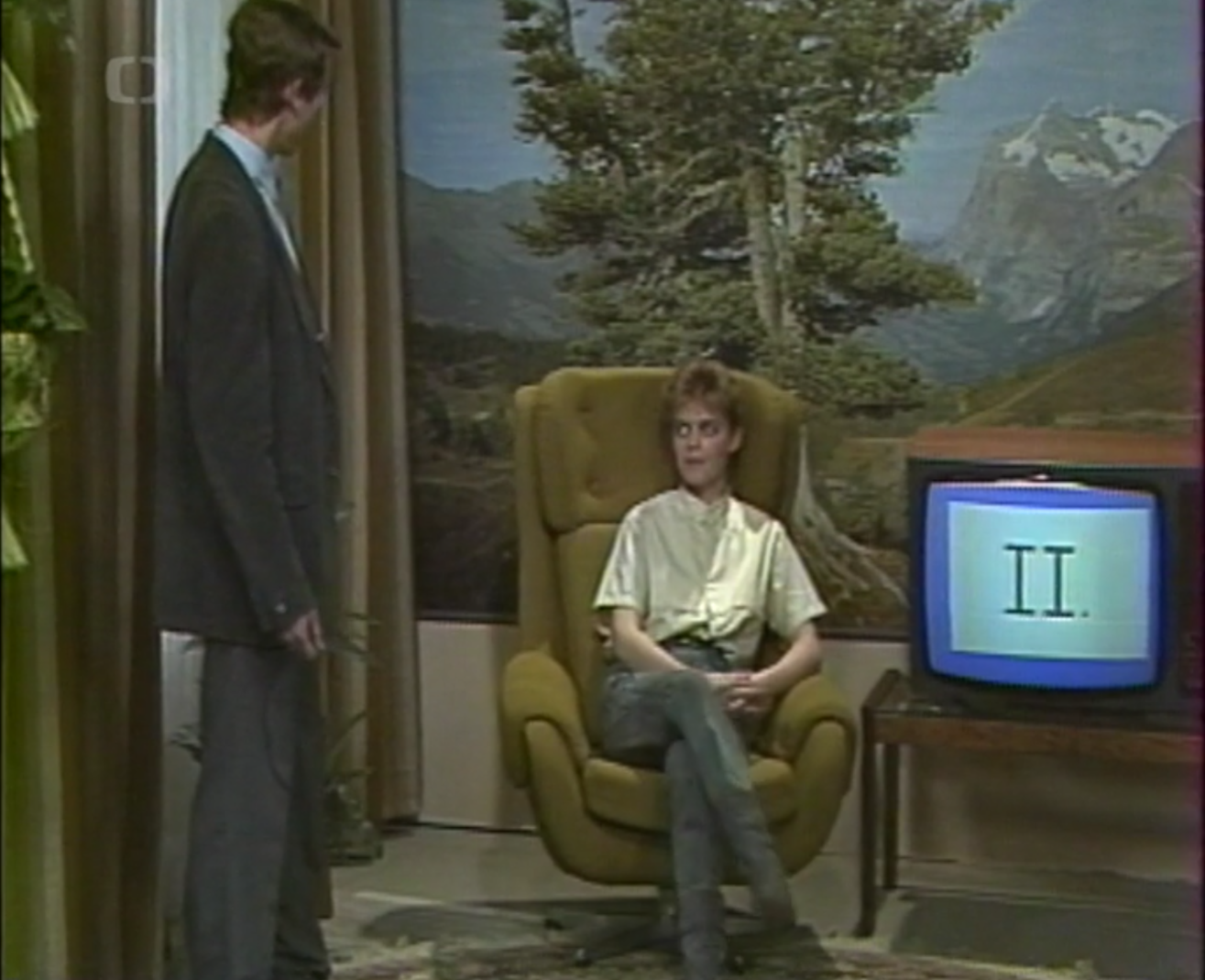
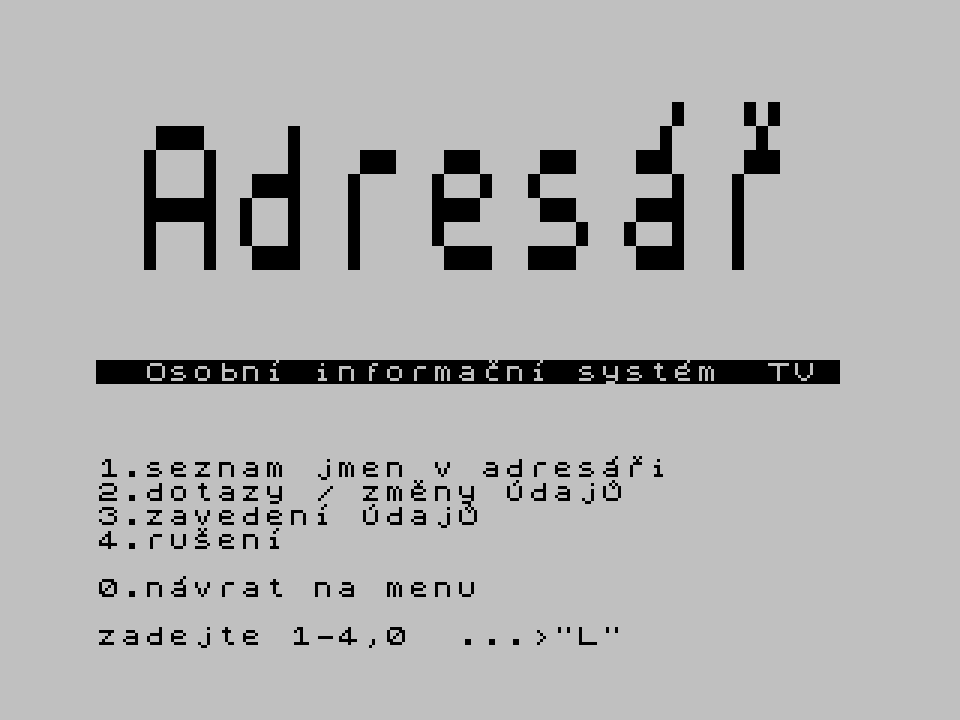
This program part from episode 3 of the show allows users to keep a list of borrowed items and link them to a specific person from the Address Book.
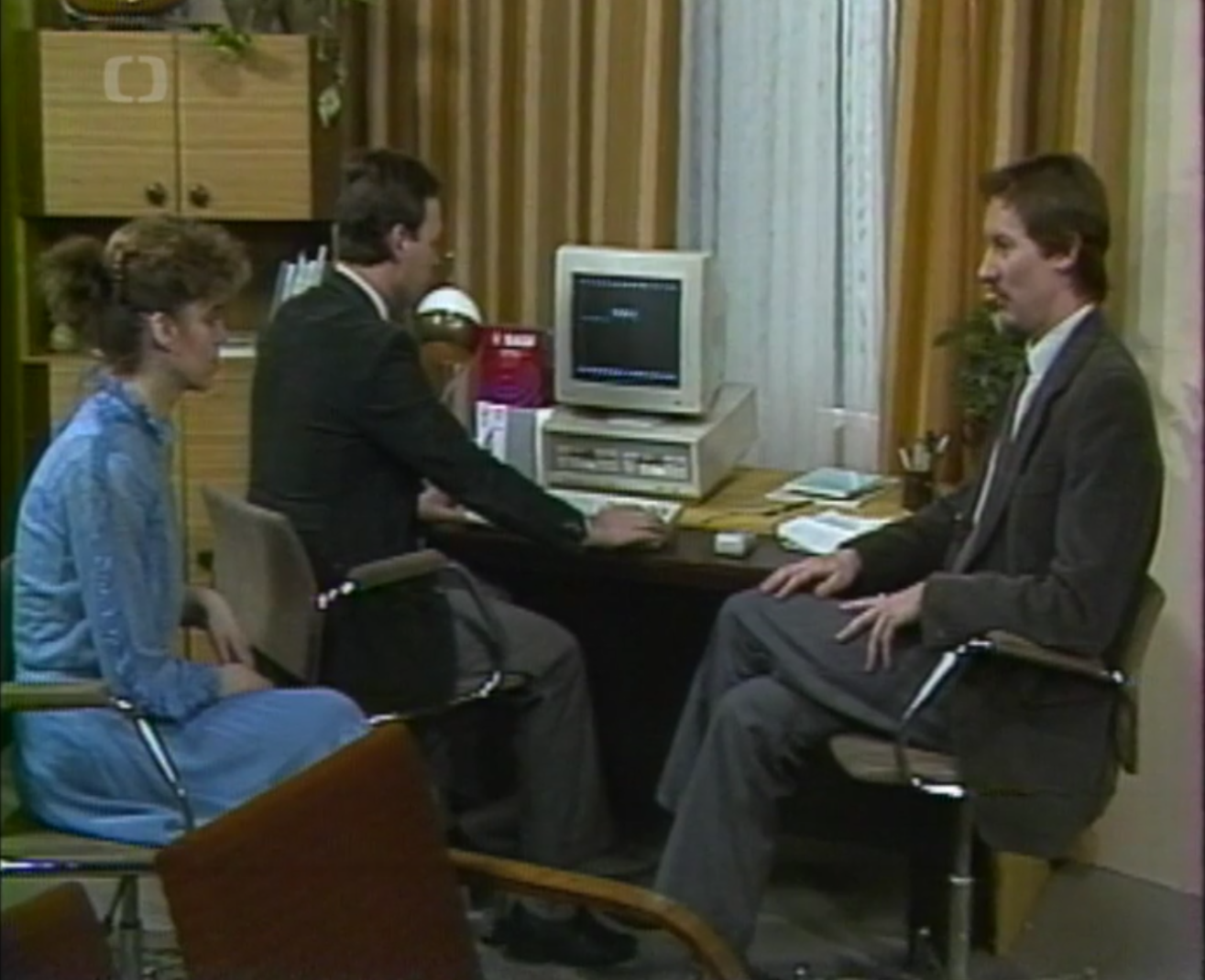
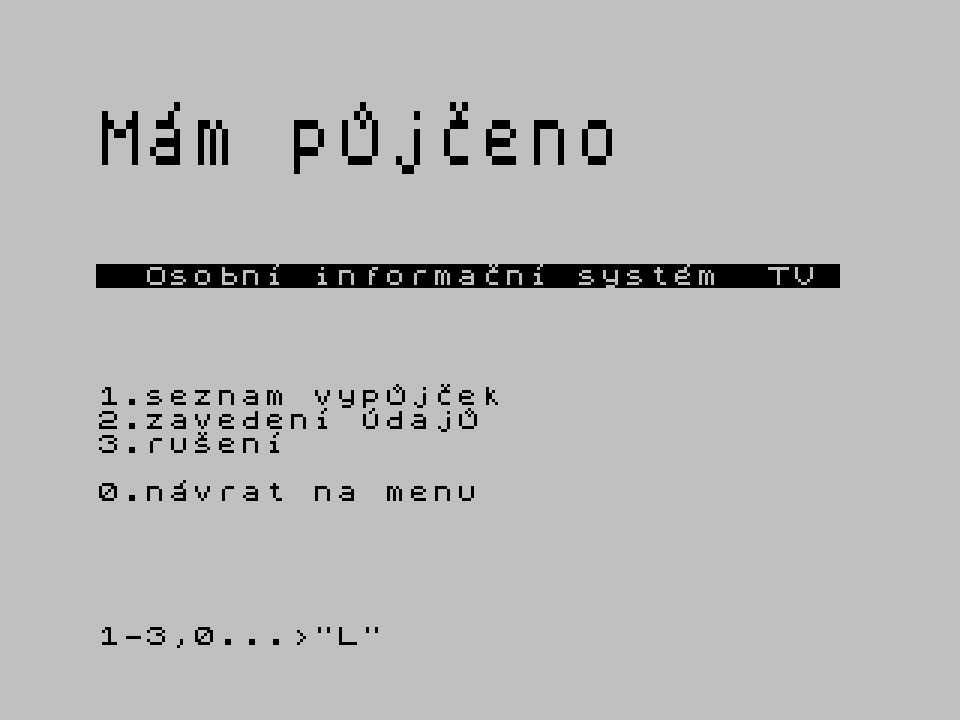
This program part from episode 4 of the show allows users to keep a list of borrowed items and link them to a specific person from the Address Book.
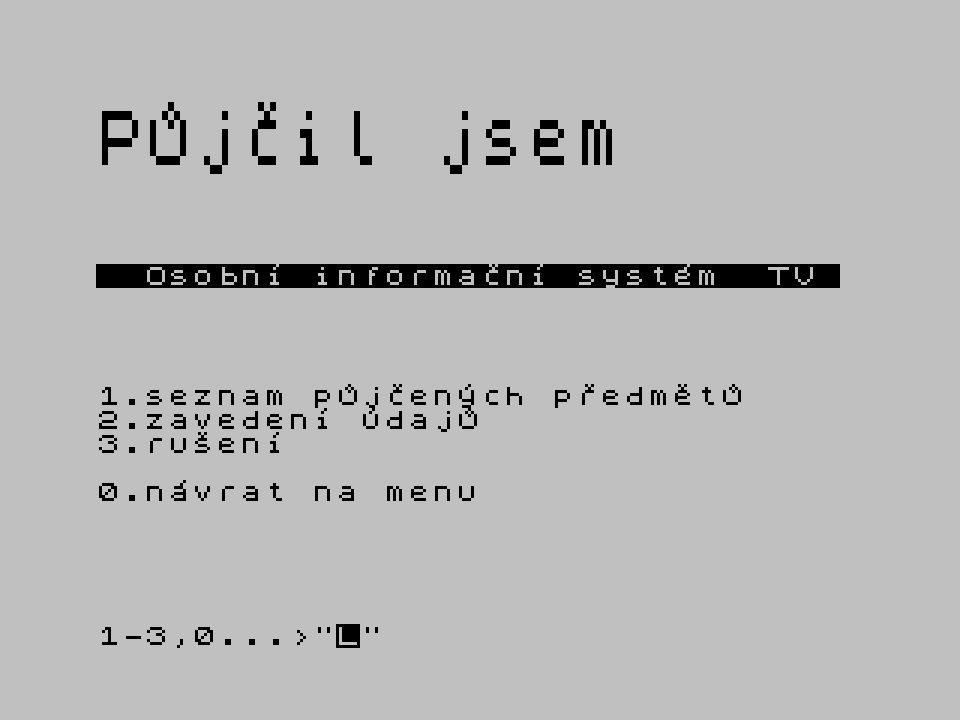
The program part from episode 5 allows users to keep a list of all events that have taken place or are about to take place.
This program part from episode 6 functions as a calendar of all holidays — users enter a date, and the program tells them whose name day it is on that date.
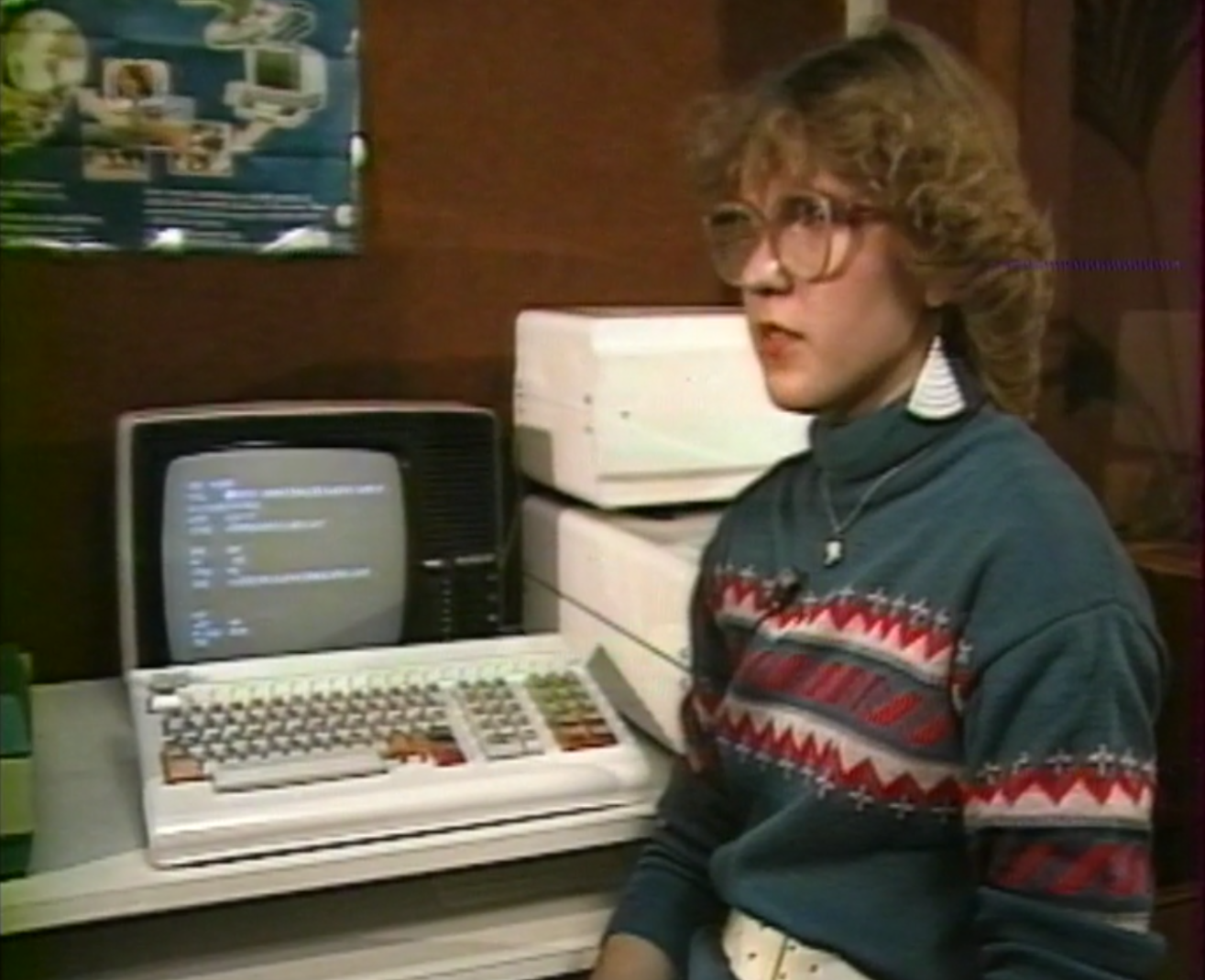
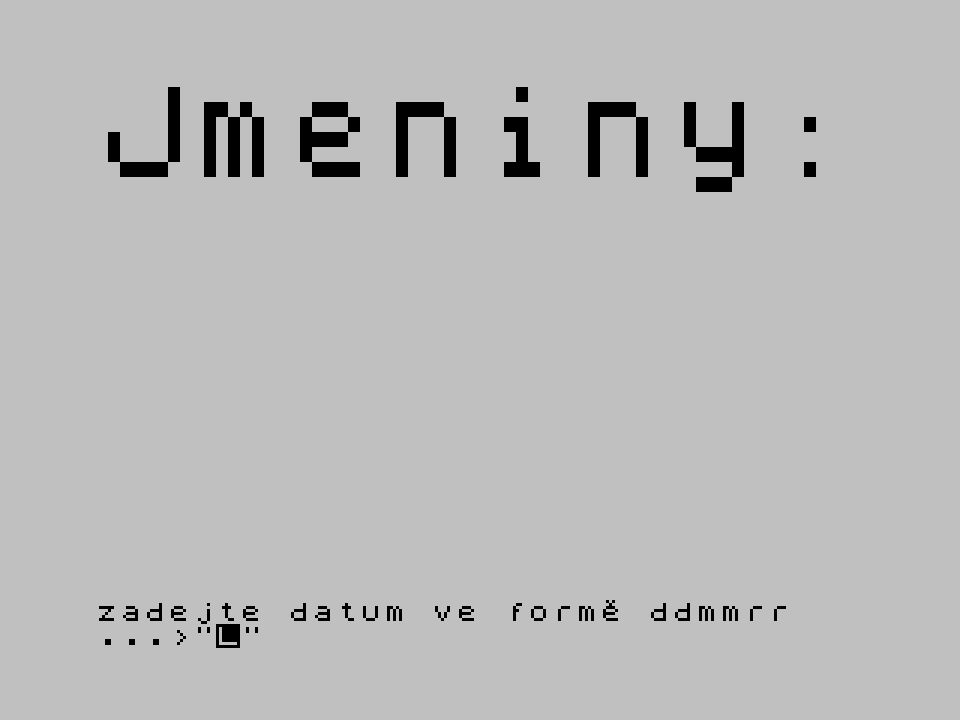
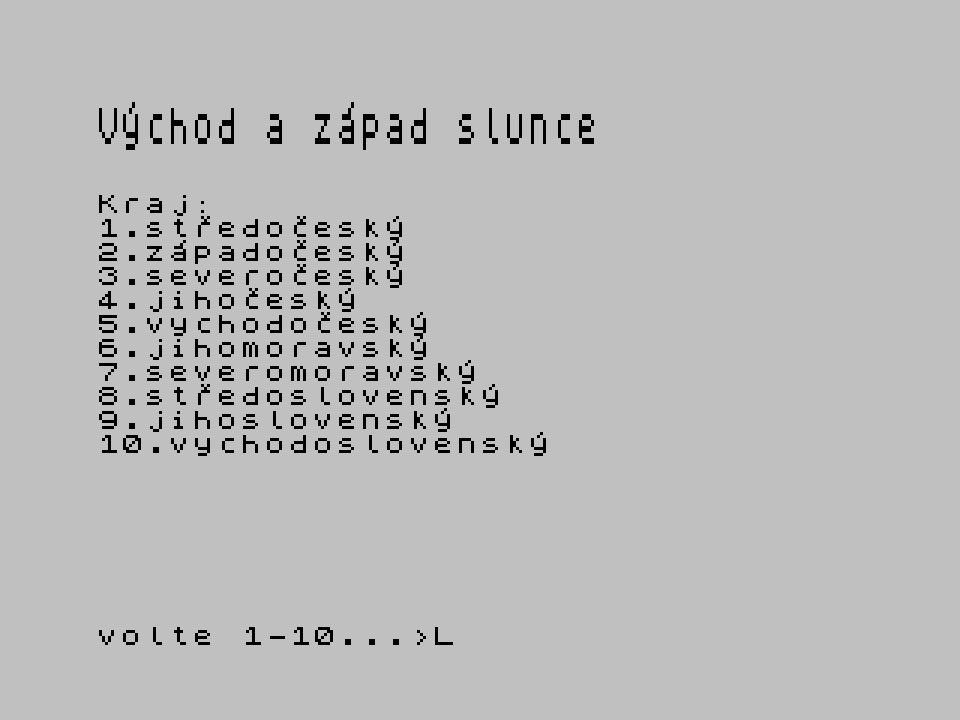
The program part from episode 7 allows users to calculate the time of sunrise and sunset based on the date and location.
This program part from episode 8 allows users to maintain a list of all their home supplies.
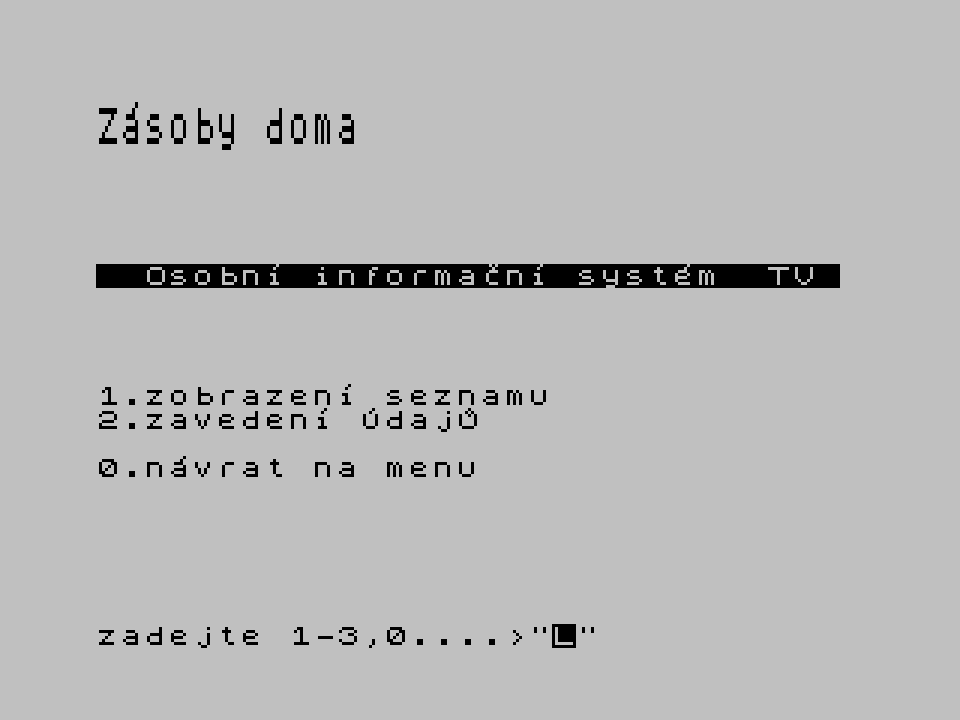
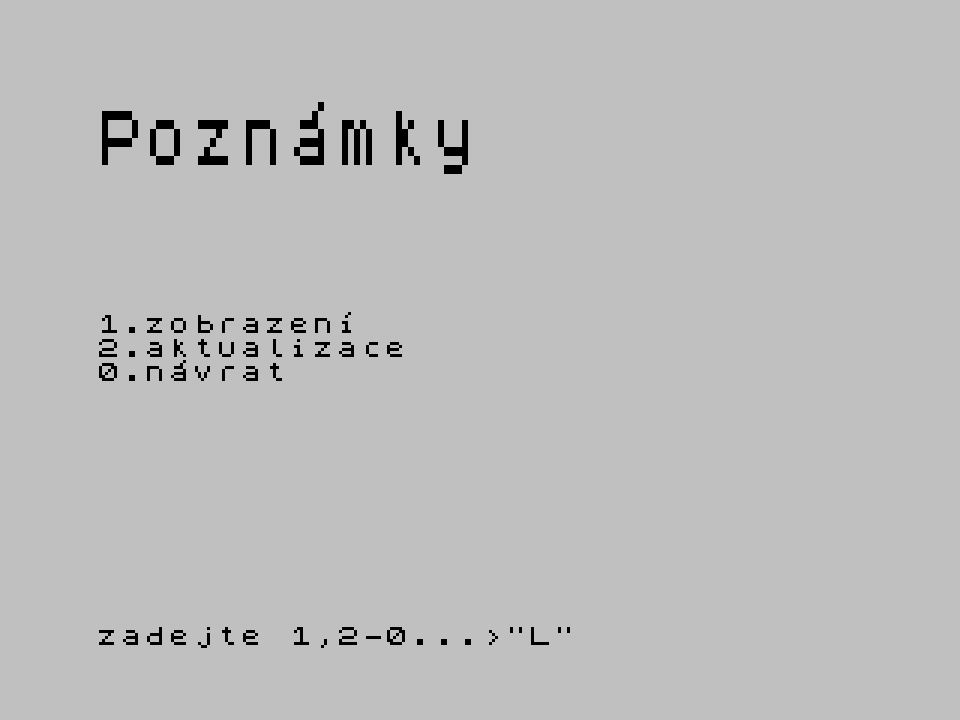
The program part from episode 9 allows users to take their own notes.
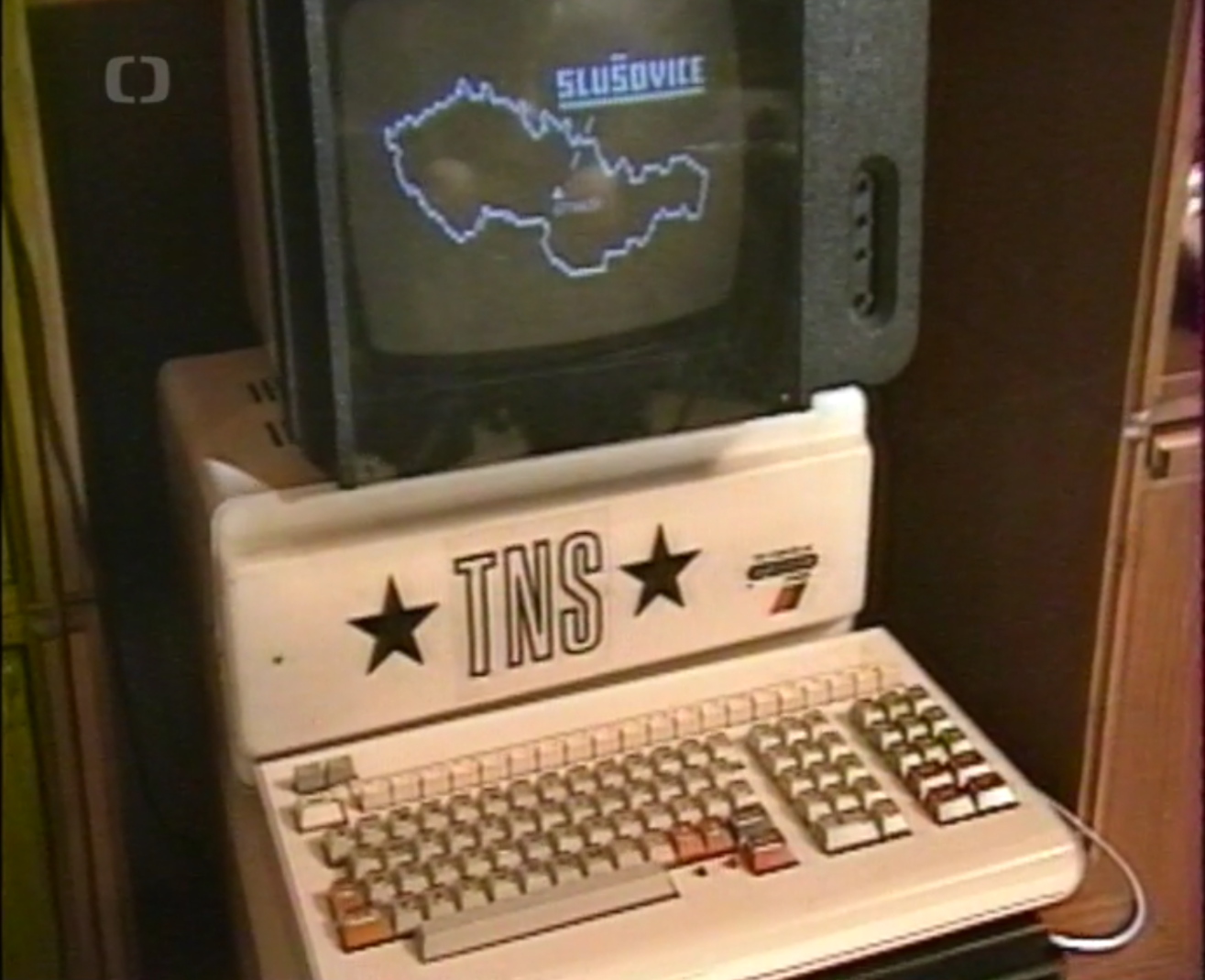
The program part from last episode serves as the foundation for the entire program — it holds everything together and also provides the main menu.
If you have any questions, feel free to contact us at info@herniarchiv.cz.